3D for e-commerce4 min read
AR for wall art, rugs and lighting bought online
Wall art, rugs and lighting are often returned because the size was misjudged. What AR shows the shopper in each category, and what it cannot show.
By CharpstAR · 21 Mar 2023 · Updated 29 Sept 2026
Part of Augmented reality for furniture retail: the complete guide
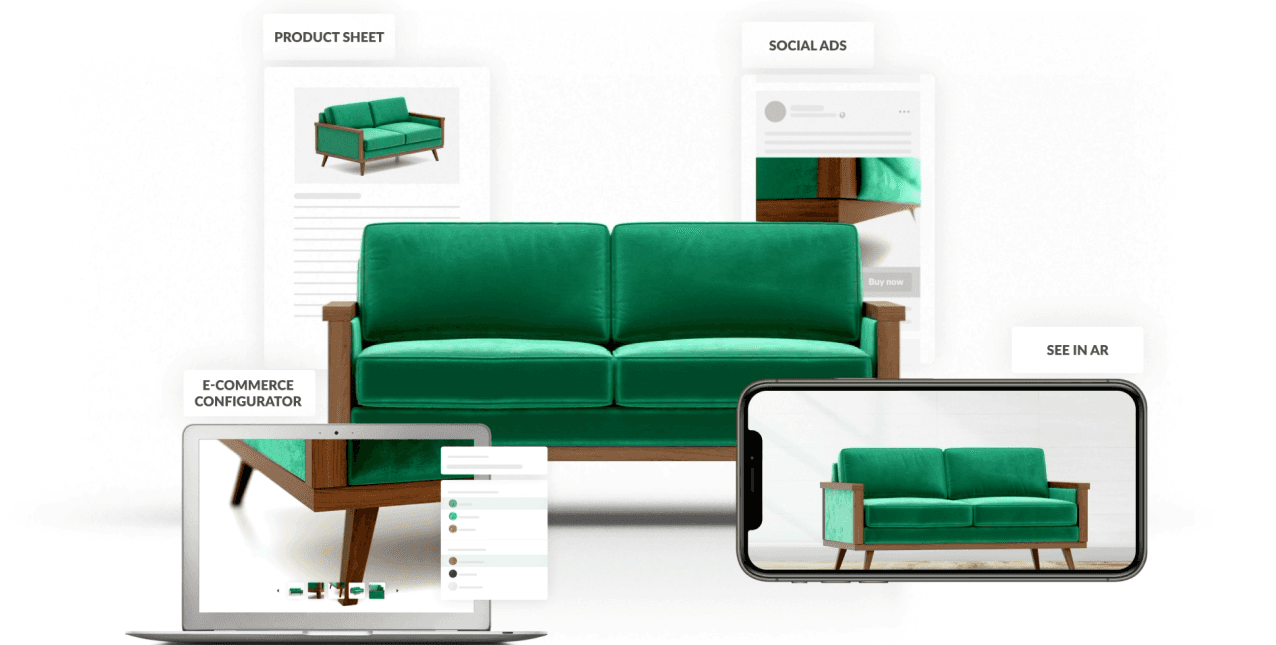
Wall art, rugs and lighting are often returned because the size was different from what the shopper had pictured. The dimensions are printed on the page, and shoppers still misjudge them. Each category goes wrong in its own way, and AR helps each differently.
Wall art
A print listed as 50 by 70 centimetres looks very different above a three-seat sofa than in a hallway. Shoppers read the dimensions and still get it wrong, because most people can't judge a rectangle against a wall they aren't looking at.
Product photographs make it worse. Art is photographed in a styled room, and the styling suggests a size. The same print looks large above a narrow console and small above a wide sofa, and shoppers remember that impression better than the centimetres.
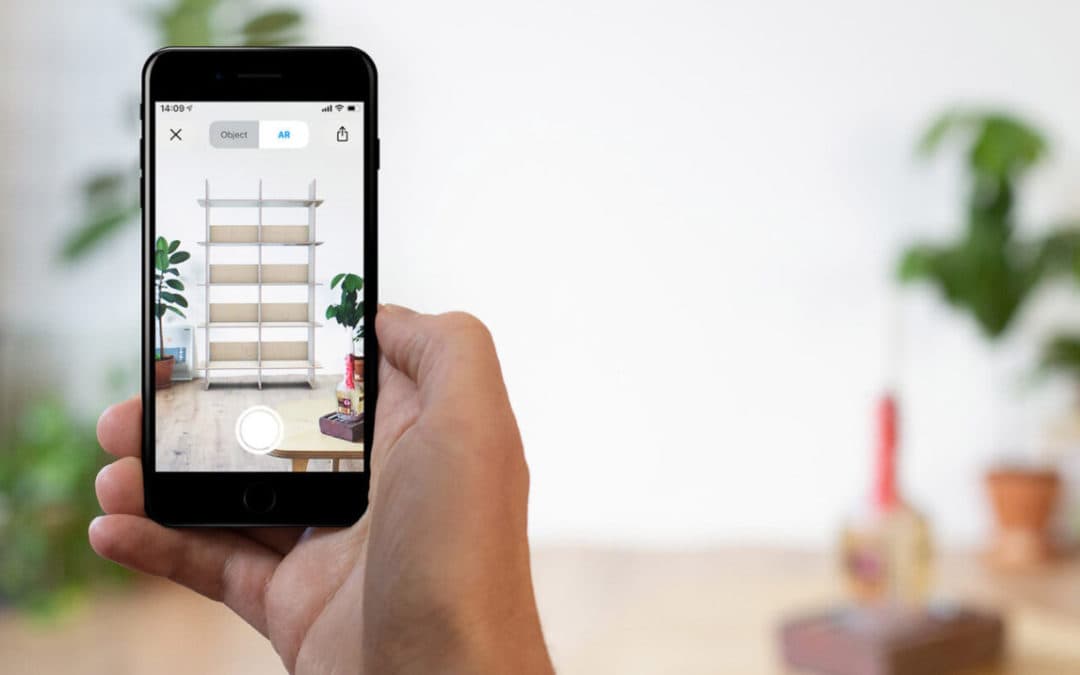
With AR the shopper stands in the hallway, holds up the phone and sees the frame on their own wall at true size, with their own skirting board and light switch for reference.
Wall placement relies on vertical plane detection, which is less reliable than floor detection on plain walls, so the shopper sometimes has to aim at a corner or a picture rail first. Frame depth also matters more than people expect. A deep box frame casts a shadow and looks heavier than a thin frame of the same width.
Rugs
Rugs are large, heavy and awkward to ship back, and the freight both ways can use up the margin on one.
Rug buyers think in terms of the furniture the rug sits under. In a living room the usual convention is that the front legs of the sofa stand on the rug. Whether a 160 by 230 rug allows that depends on the sofa, the room and the layout. A product photograph can't show it, and the size guide on the page describes a typical room that may be nothing like the buyer's.
Placing the rug on the floor in AR settles it, and it's the easiest AR task a phone can be given. Phones detect floors more reliably than any other surface, the rug is flat so nothing has to be hidden behind anything else, and the shopper doesn't have to move furniture. A home retailer that can only model part of the catalogue should start with the rugs.
Rugs
Flat-woven rug
150 x 230 cm.

A flat-woven rug, 150 by 230 cm, in two colours. This is the rug a phone lays on the living room floor at its real size.
Lighting
The shopper wants to know about size and about light output, and AR only helps with size.
Size matters a great deal with lamps. A pendant over a dining table has a fairly narrow range of diameters and hanging heights that look right, and anything outside it is noticed by everyone who enters the room. The same goes for a floor lamp beside a chair. AR handles these placement decisions well.
AR can't show the light a lamp gives. Phone AR estimates the ambient lighting of the room and applies it to the model; it doesn't treat the model as a light source. A shopper who places a lamp in AR sees whether it fits, with the lamp switched off.
Show the light output another way. Renders of the fixture switched on can be made from the same model, and the specification can be stated in everyday terms: lumens, colour temperature, and whether the shade throws light down or spreads it.
| Category | What the shopper misjudges | What AR settles | What it does not |
|---|---|---|---|
| Wall art | Proportion against their own wall | Size, frame depth, position | Colour match to the room, exactly |
| Rugs | Size relative to their furniture | Footprint, layout under sofa or table | Pile height and texture underfoot |
| Lighting | Diameter and hanging height | Proportion and placement | The light the lamp gives |
What the model has to get right
The shopper opens the model to check size, so the dimensions have to be correct. Check the delivered model against the physical item with a tape measure before it goes live. A model that is slightly off still looks convincing, and shoppers will rely on it and order the wrong size.
Shoppers zoom in on these products, so a wool pile with no depth looks like printed vinyl, and brass and canvas need the right sheen and weave.
Keep the files light. Google's Scene Viewer documentation puts the model size at 10 MB, with a recommended limit of 100,000 triangles and no more than ten materials. These categories fit inside those limits because the shapes are simple and most of the work is in the textures.
The cost of a return in these categories
The NRF and Appriss Retail put the online return rate at 17.6 percent of sales in 2023, which is 247 billion dollars of merchandise in the United States. For bulky categories with low margins a return costs the refund plus freight in both directions and handling. Shopify's published merchant results include a 5 percent reduction in return rate at Gunner Kennels. None of these figures come from rug sellers.
Trying it on one product
Pick the product in your catalogue with the worst return rate. If you sell rugs it will probably be a rug. Model that one from its dimensions and material close-ups, put it live with an AR button, and compare a quarter against the same quarter last year.
Sources
- National Retail Federation and Appriss Retail, 2023 Consumer Returns in the Retail Industry.
- Shopify, AR shopping, including the Gunner Kennels return figure.
- Google, Scene Viewer documentation.