3D for e-commerce3 min read
Augmented reality, trust and accuracy in online shopping
AR shows a product at true size in the buyer's room. Why the accuracy of the 3D model decides whether that builds trust, and what a wrong model costs.
By CharpstAR · 4 Oct 2023 · Updated 22 Sept 2026
Part of Augmented reality for furniture retail: the complete guide
Trust in online shopping mostly comes down to whether the product page was accurate, meaning the item arrived at the size, in the colour and in the material the page described. Reviews, return policies and photography standards all exist to narrow the gap between what a page promises and what turns up at the door.
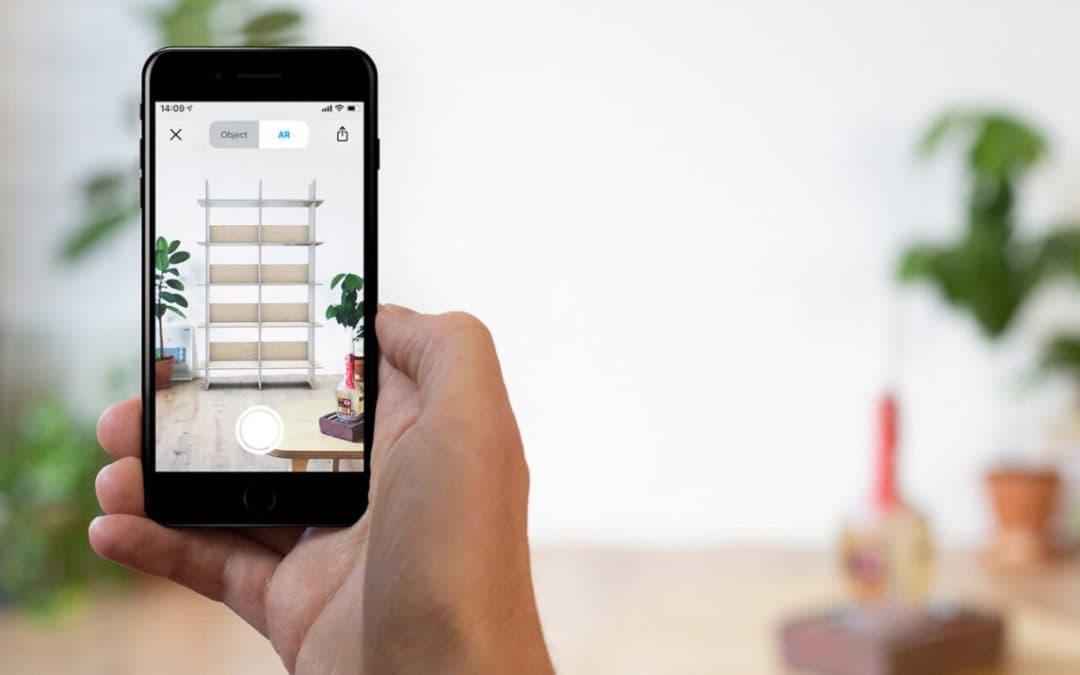
AR can close part of that gap, because it shows the product at true size in the buyer's own room. It can also widen it. An interactive model that looks convincing but is wrong misleads people more than a photograph does, and which way it goes is decided when the model is made.
What photographs leave out
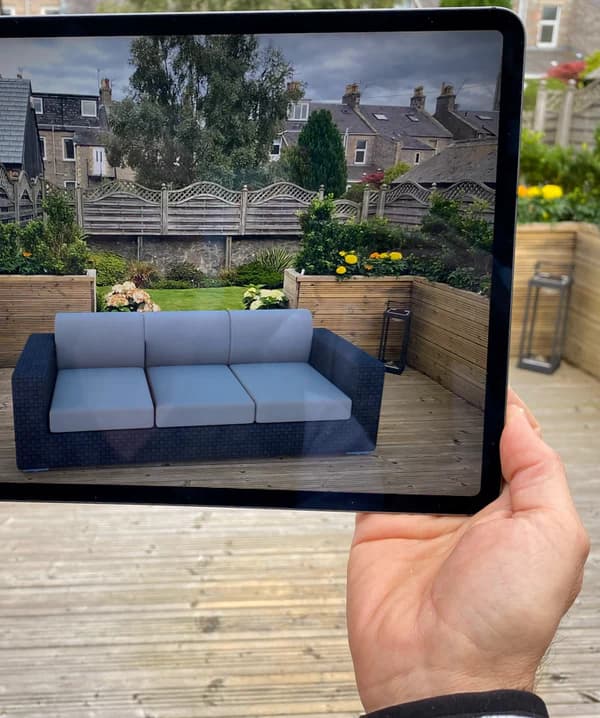
A photograph has no scale. A sofa in a styled room looks as big as the room makes it look. In AR the phone detects the floor and walls, the model appears at its real dimensions, and the buyer can see whether it fits the space they have for it.
Product photos also show the flattering angles. A 3D model shows all of them, including the back, the underside and the join the photographer avoided.
Photographs also flatten material. On a well-made model, zooming in shows the weave, the grain direction and the way metal catches light; on a cheap one the same small texture tile repeats across the surface.
What a wrong model costs
Shoppers see an AR view in their own room, through their own camera, and treat it as evidence of what they'll get.
A model that's a few percent too small is the expensive case. The buyer places it, decides it fits, orders it and finds out on delivery day. The retailer pays for the collection and the refund.
Trust therefore comes down to how the model was produced. Ask a supplier whether they used real dimensions or estimated them from photographs, whether material samples were measured or approximated, and whether someone who has seen the physical product checked the model against it.
Product information that builds trust
| Signal | What the shopper gets | Why it builds trust |
|---|---|---|
| Dimensions drawn on the model | Size read off the product, in their units | No surprise about size on delivery |
| Every angle available | Back, underside, joins, cable routes | Nothing is kept out of view |
| Material zoom | Real weave and grain instead of a flat colour | Shows detail a photograph loses |
| Annotations on features | What a part is made of, how it opens, what is included | Answers questions while the shopper is looking at that part |
| Variant accuracy | The colour shown is the colour shipped | The swatch matches what arrives |
| AR at true scale | The product in their own room | The shopper checks the fit before ordering |
Only the last row needs AR. The rest is product information that an accurate 3D model makes available, on desktop as well as on a phone.
Published results
Gunner Kennels, in Shopify's case-study write-up, cut return rates by 5 percent after adding 3D and AR to its product pages.
Contura's stoves at real size
Contura sells wood-burning stoves. Placing the stove at real size in the room before ordering lets the buyer check whether it fits the space.
Which products to start with
Start with the products where a surprise about size or material costs you most, which is usually the same list as your highest return rates. Ask for real measurements in the brief. Put the viewer in the main image gallery and not below the buy button, add dimension lines and annotations, and check the model against the physical product before it goes live. After launch, track return rate and support contacts alongside conversion.
Our plans include dimensions, annotations and yearly updates, so the model keeps matching the product as it changes; details are on the prices page, and the solutions page lists what we build. To check our accuracy, request one product through the free sample page and measure the model against the real thing.