3D for e-commerce4 min read
Why 3D and AR do little for impulse purchases online
Impulse buys carry little uncertainty, so a 3D model adds little to them. Where 3D and AR do pay off, and which products to model first.
By CharpstAR · 4 Oct 2023 · Updated 29 Sept 2026
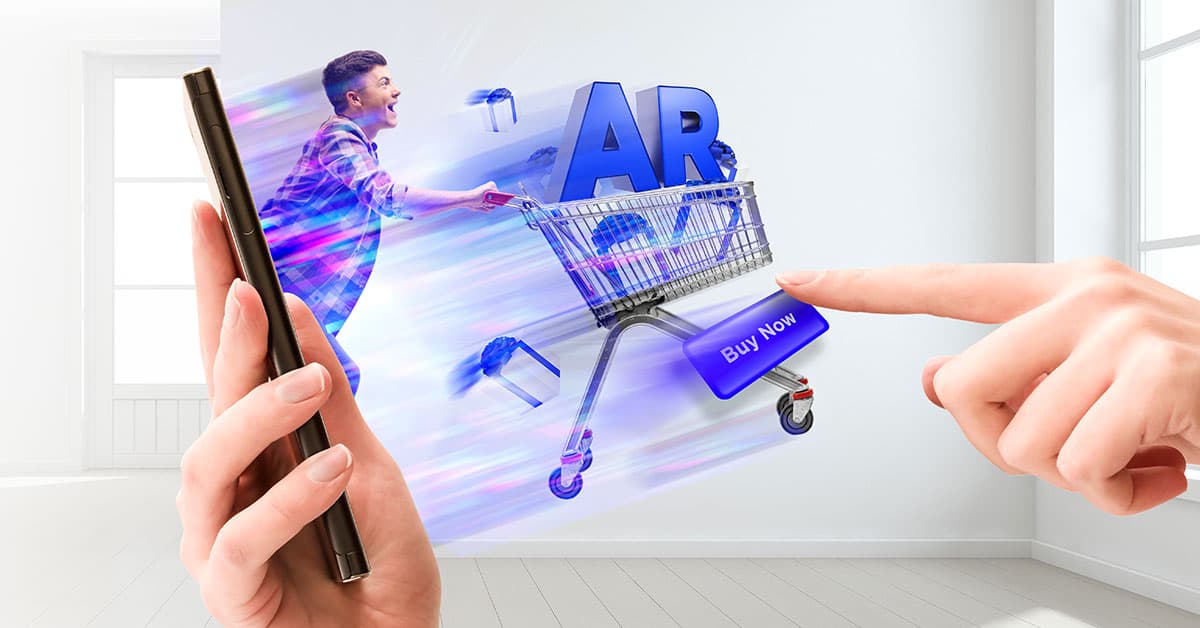
An impulse purchase is one the shopper makes without much uncertainty, and 3D and AR work by removing uncertainty. A 3D model does little for a candle or a phone case and a great deal for a sofa.
What drives an impulse purchase
People buy on impulse when being wrong costs little and buying takes almost no effort. A twelve euro candle at the checkout, a phone case or a paperback are typical. The shopper doesn't need exact dimensions or a view of how the material catches the light, and if the product disappoints they accept the loss.
The things that raise impulse buying online are known: low price, one-tap payment, saved cards, free returns, urgency, and showing the product to someone who is already checking out. A 3D model doesn't change any of them.
What 3D and AR are good at
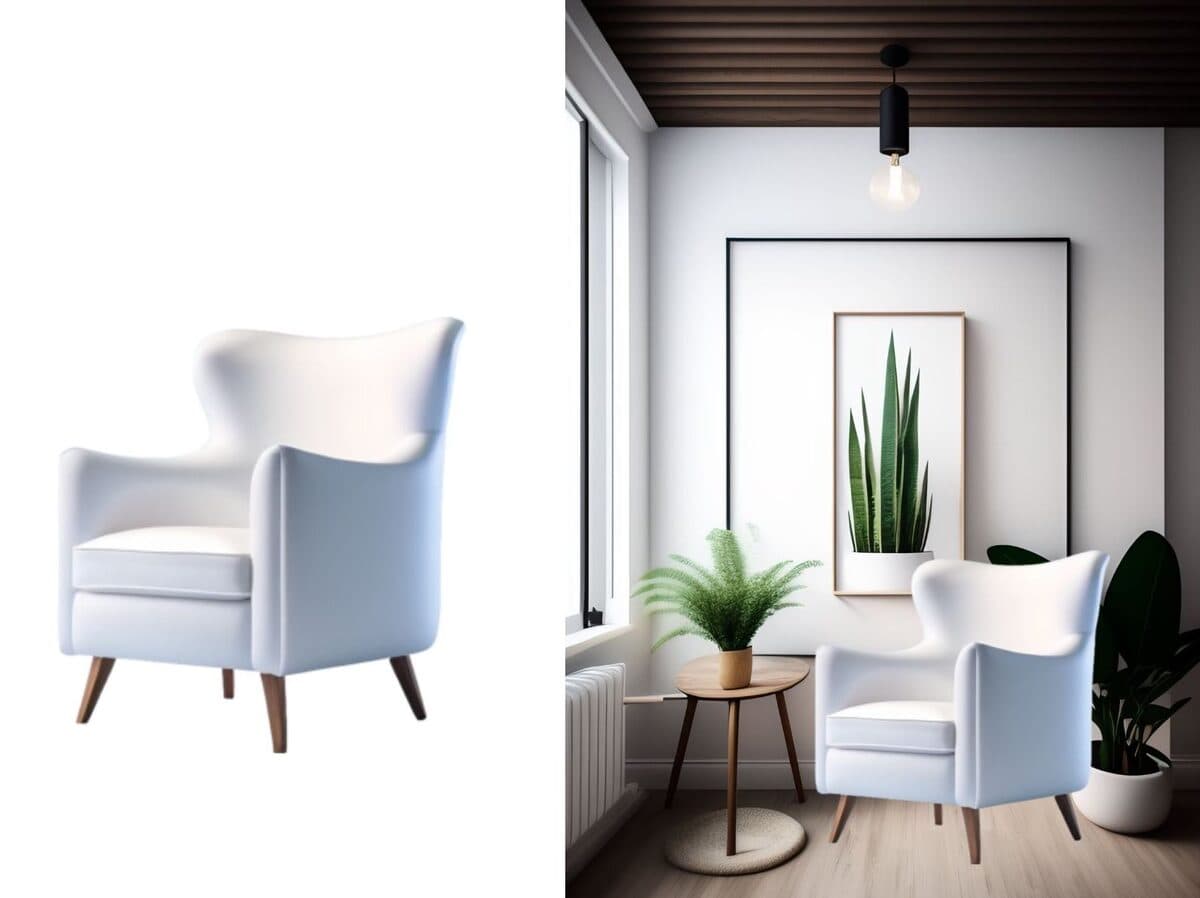
They help with products that are expensive, hard to picture, have to fit somewhere and are hard to return. Sofas, wood-burning stoves, bed frames, large rugs, office desks and bicycles are examples.
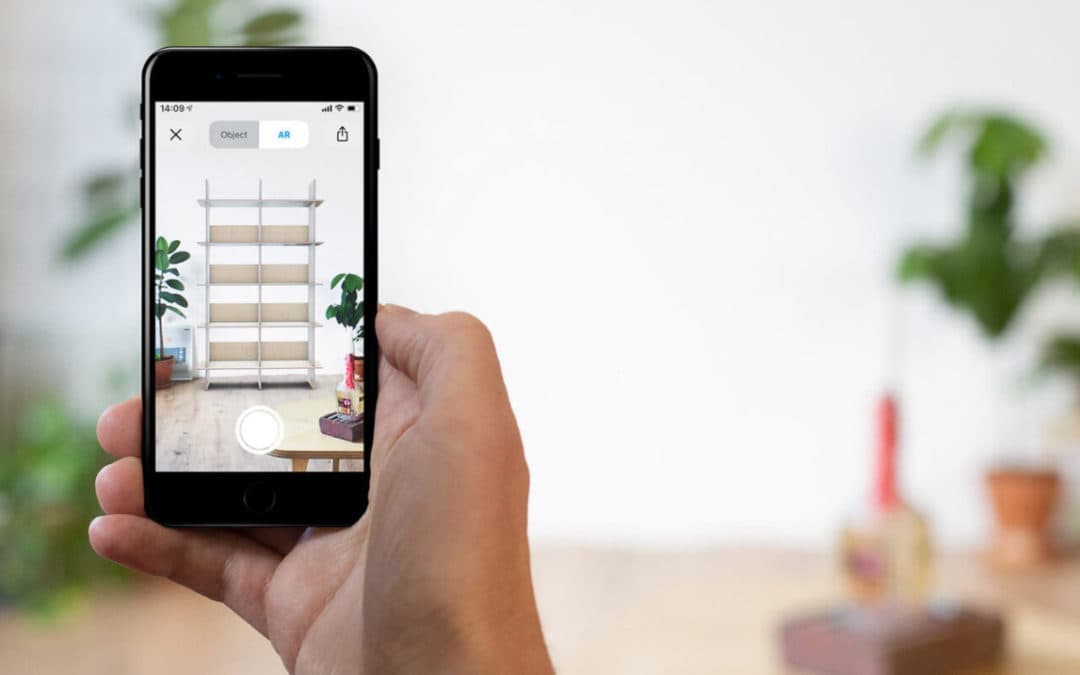
With these products, shoppers are held back by questions that photos can't answer. Shoppers want to know how big it is, what the back looks like, whether the grey is warm or cold and whether it fits between the window and the radiator. The model with dimension lines shows size, back and colour; AR placement in the room shows whether it fits.
Kitchen
Kitchen mixer
Stainless bowl, black base.

Turn the mixer and switch the dimensions on. On a phone, stand it on your counter at true size.
What the published figures show
The public figures on 3D and AR come from considered categories. Shopify reported in 2020 that interactions with products carrying 3D or AR content converted 94 percent more often than the same kind of products without. Rebecca Minkoff shoppers were 44 percent more likely to add an item to cart after interacting with it in 3D and 27 percent more likely to place an order. Gunner Kennels reduced return rates by 5 percent after adding AR.
Rebecca Minkoff sells handbags and accessories, where the material matters to the buyer. Gunner Kennels sells large dog crates that have to fit a dog and a car boot. We haven't found a published case study of AR raising impulse sales of something like phone chargers.
One published figure concerns basket size. Shopify reported that Oakywood, who sell wooden desk accessories and desks, saw average order value rise 458 percent in Germany, 232 percent in Switzerland and 84 percent in the UK after moving from Etsy to Shopify with 3D scans and AR on the product pages, and that custom orders went from almost none to 200 to 300 a month once customisers were added. Shopify attributes the rise to the move as a whole, and the products are made to order.
Which products to model first
3D and AR pay back by reducing uncertainty, so model the products where uncertainty is highest for each euro of margin. This is the order we use when a client asks which fifty products to start with.
| Priority | Product characteristics | Why |
|---|---|---|
| 1 | High price, has to fit a space, high return rate | Largest uncertainty, largest return cost, clearest AR use |
| 2 | Configurable or made to order | The model is also the configurator, and the shopper cannot see the combination any other way |
| 3 | Material or finish is the decision | Rotation under light answers what a flat photo cannot |
| 4 | High traffic, mid price, average return rate | Volume makes even a small lift worth it |
| 5 | Low price, simple shape, low returns | Model these last or never |
Traffic is fourth in that table. Many teams start by modelling their bestsellers, and bestsellers already convert well.
Cross-selling after an AR session
A shopper who has placed a sofa in their room in AR is picturing the whole room, and a cushion, a side table or a matching lamp is easier to sell at that moment. The small item needs no AR of its own. Show the cross-sell straight after the AR session on the large item, which is a merchandising change and no extra 3D work.
How to justify the budget
Don't justify a 3D budget with impulse sales. The effect won't show in the numbers and the budget may be cut at the first review. Justify it with returns and with conversion on considered products, where published figures exist and where a month's measurement on your own pages will show a difference.
Start with the products at the top of the priority table. Record their conversion rate and return rate for a month, add models, and record them again. The wood-burning stoves at Contura are the kind of product this works for: a stove has to fit a specific corner of a specific room, and the result of showing it there can be measured.