3D for e-commerce4 min read
What AR and 3D show people who buy a car online
The stages of buying a car online, which ones 3D and AR cover, and which still need the shopper to sit in the car and drive it.
By CharpstAR · 4 Oct 2023 · Updated 22 Sept 2026

The paperwork for a car can mostly be done online now, but most people still decide at the dealer. Shoppers research on a screen for weeks and then go to the showroom with a list of things they couldn't settle at home. Below, stage by stage, is what 3D and AR settle and what still needs the car in front of the shopper.
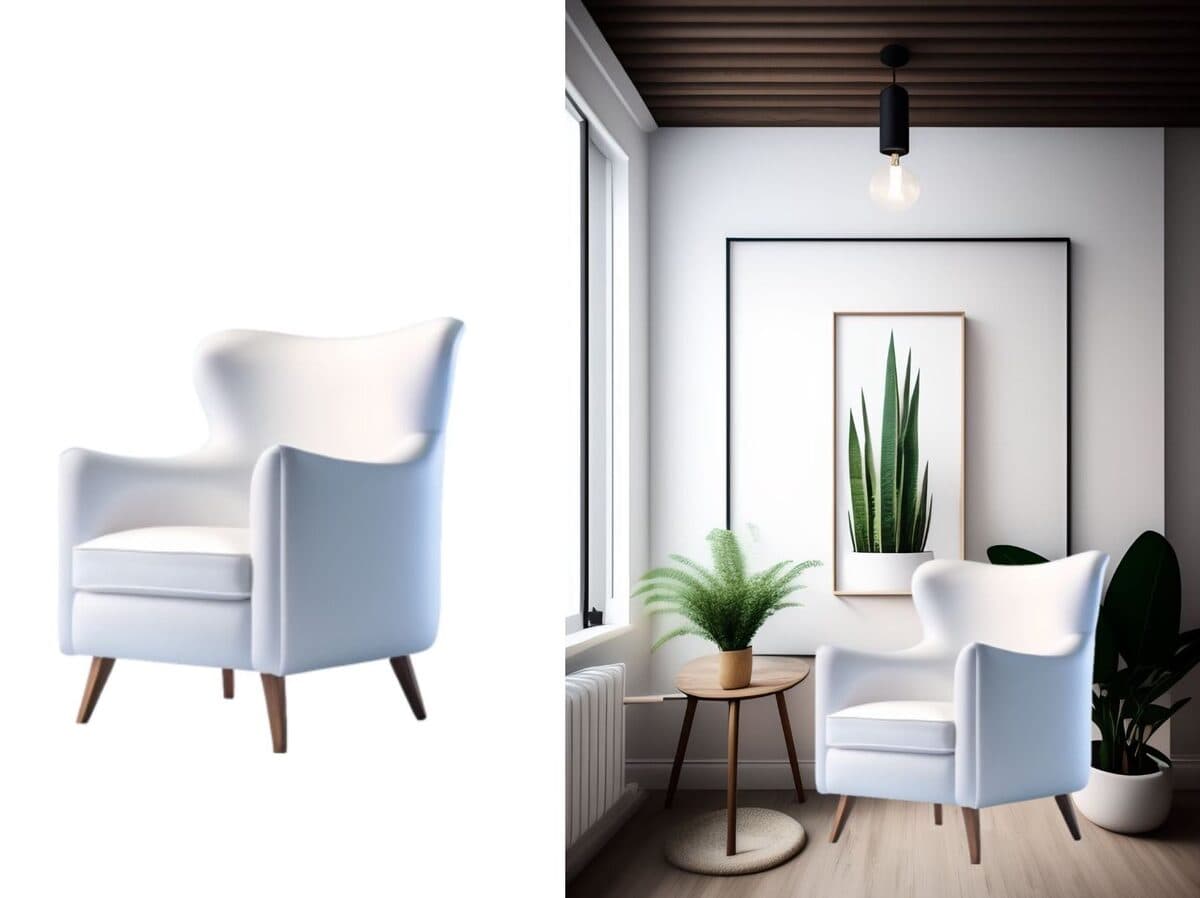
Our clients mostly sell furniture, so the client example below is from retail.
Shortlisting
A shopper narrows twenty candidates to four on price, body type, range or fuel, and reputation, using search and specification data. 3D does almost nothing here, and a heavy configurator on a comparison page slows it down. Fast pages and clear specifications are what count at this stage.
The car in the chosen colour and wheels
Next the shopper wants a proper look at the car in the colour they're considering and on the wheels they would pick.
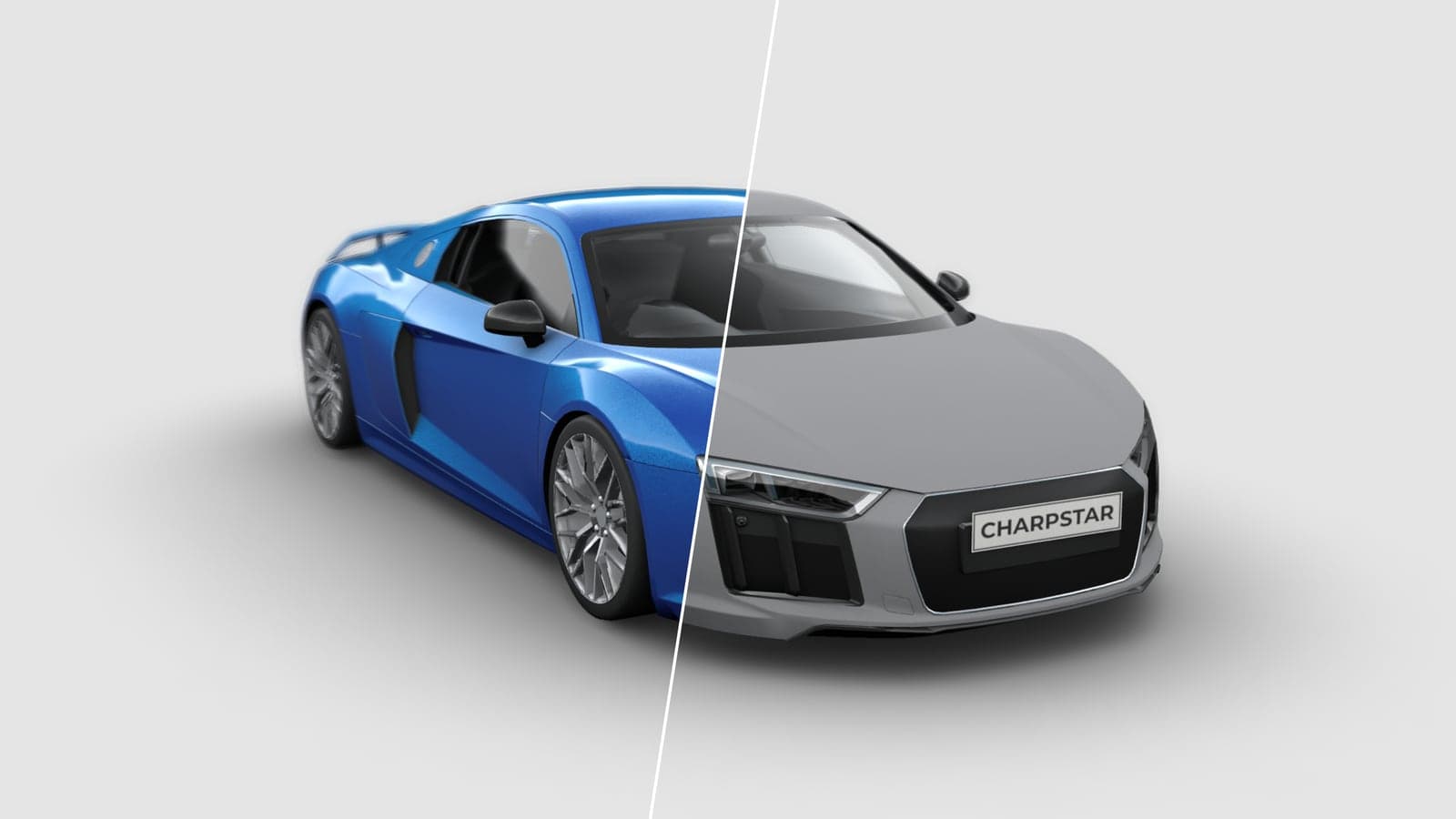
Here 3D can take over from photography because of the number of combinations. Ten paints and six wheel options make sixty photo sets before trim is counted. One 3D model covers all of them and stays correct when the option list changes next year. We took our own car configurator apart in how a car configurator works, including why a new paint needs no extra download. MELIMELI does the same with upholstery, carrying a large fabric range as textures on one model in place of a long run of photo shoots.
A real-time model can also be rotated. Car photography is shot from the angles that flatter the car. A shopper who looks at it from their own eye height, from the rear three-quarter and from directly behind gets a more accurate picture.
Whether the car fits the drive
Every specification sheet gives length, width and height, and very few people can picture 4.7 metres on their own drive.
The shopper places a model at true size on the driveway through the phone camera and sees whether the car fits beside the house, whether the garage door clears it and whether two cars fit on the drive. Android does this through Scene Viewer and Apple through AR Quick Look. The scale has to be exact.
A dealer visit can't answer this one, because the drive in question is at the shopper's house.
The boot and loading
Shoppers ask whether a pram fits, whether two bikes go in with the seats down and whether the load lip is too high. A 3D interior model with real dimensions goes a long way, and a shopper who places the open boot at real size in their own garage can hold a pram next to it. The angle of the opening, the lip and the weight of what is being lifted aren't on the screen, so some shoppers will still check the boot in person.
The interior
A 360 interior view shows layout, screen size, seat shape and trim colour. It can't show how the plastics feel, how supportive the seat is after an hour, how much road noise gets in or whether the driving position suits a tall driver. The shopper still has to sit in the car for those.
The test drive
Ride, steering weight, visibility and the way the gearbox behaves in traffic are physical, and no screen shows them.
Accessories and parts
Roof boxes, bike racks, towbars, floor mats, winter wheels and camper modules get little attention in automotive e-commerce, and they're the easiest place to start. The shopper wants to know whether the part fits their vehicle, how big it is and how it looks on the car. A rotatable 3D model with dimensions on the object, AR placement at true size and your existing fitment data cover that, and an accessory is much quicker to model than a whole vehicle.
| Stage | What the shopper asks | Can 3D and AR settle it? |
|---|---|---|
| Shortlist | Which cars qualify? | No, this is search and specs |
| Appearance | What does it look like in my colour? | Yes, fully |
| Size and space | Does it fit my drive and garage? | Yes, better than a dealer visit |
| Boot and practicality | Will my things fit? | Partly |
| Interior feel | Is the cabin right for me? | Visually yes, physically no |
| Driving | How does it drive? | No |
| Accessories | Does this part fit and how does it look? | Yes, fully |
What this means for a dealer or a smaller brand
What 3D and AR take out of the process is the visits made to look at a colour or measure the car; the sitting and driving visits stay. A shopper who arrives already settled on colour, wheels, footprint and accessories needs a shorter conversation.
We'd start with one vehicle line, exterior first, with the paint and wheel options people argue about. The viewer goes in the main image gallery. In our experience a viewer below the buy button is missed, and poor placement is a common reason for a project to fail. AR placement takes little extra work once the model is real-time. Accessories come after that, where the return on modelling time is highest.
The figures
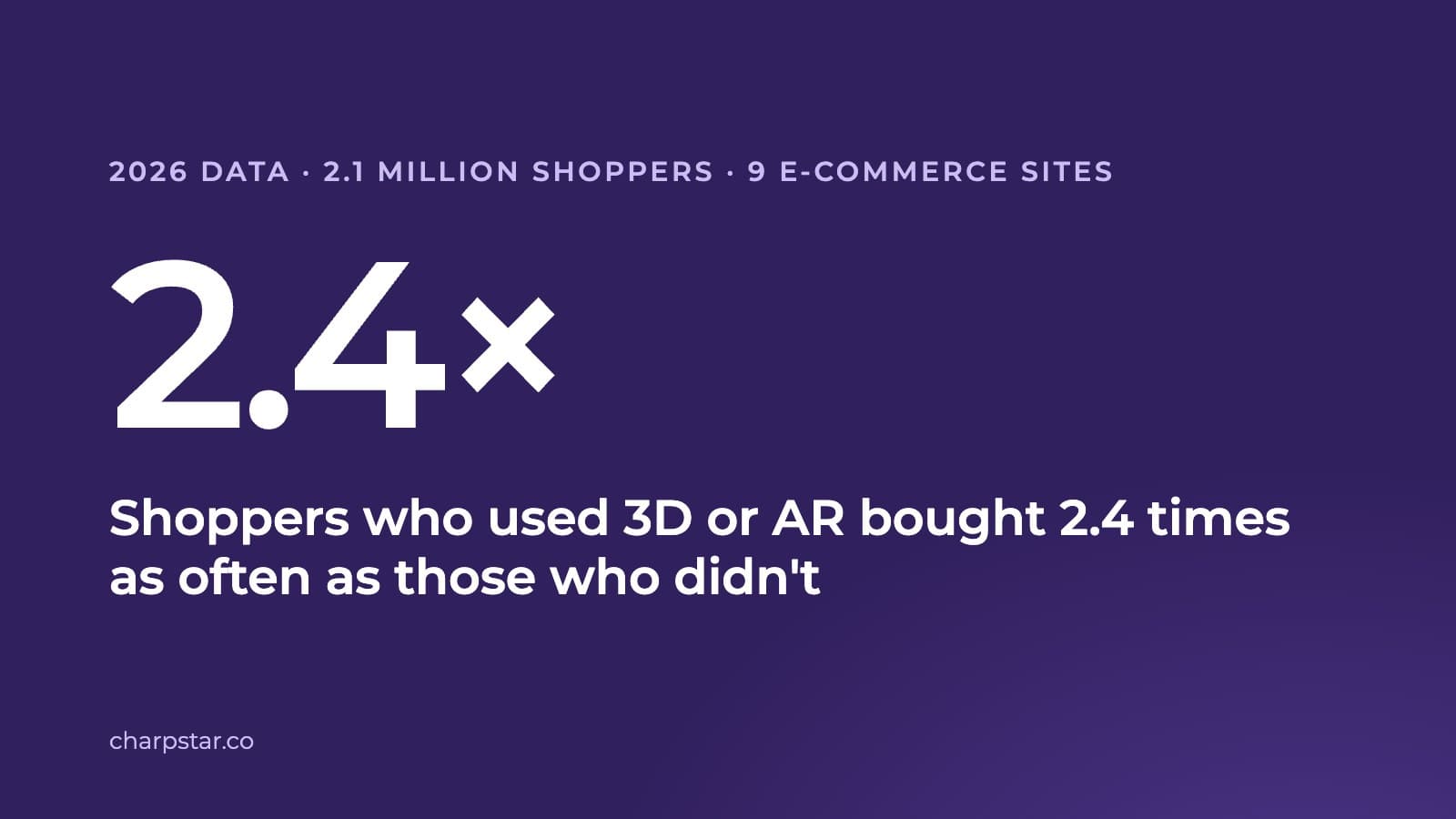
We know of no automotive conversion dataset we'd rely on. Shopify's write-up on AR shopping cites Chatmeter's 2025 report, in which 52 percent of people chose in-person shopping over online because they want to experience and try products in person.
For a dealer, enquiry quality and time to decision say more than conversion on the page, so measure those.
Sources
- Shopify, AR shopping, including the Chatmeter 2025 figure.
- Google, Scene Viewer documentation, and Apple, AR Quick Look.