Fashion4 min read
Augmented reality in the fashion industry by 2029
What works in fashion AR now, what is likely by 2029, what is further off than vendors suggest, and which products to build 3D models for first.
By CharpstAR · 21 Mar 2023 · Updated 22 Sept 2026
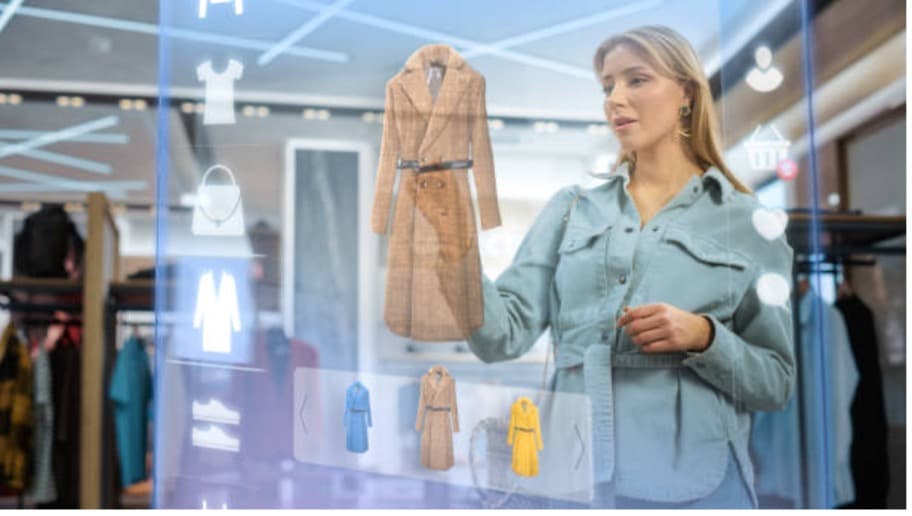
Augmented reality has changed a small part of the fashion range, mostly products with a rigid shape, while most garments are still sold with photographs.
Below is a three-year view, sorted by how sure we can be about each part. Most of our work is in furniture and home products, so the fashion figures here are from published sources.
Where fashion AR is today
Eyewear try-on works. Frames are rigid, phones track faces accurately, and the shopper wants to know about shape and width, which AR shows directly. Shopify's guide cites Warby Parker using Apple's ARKit so frames scale and align to the shopper's own face geometry. Fittingbox research quoted in the same guide found that 54 percent of people who were not ready to buy glasses online wanted to check the frames fit properly, and that 29 percent of glasses shoppers had used virtual try-on at least once.
Watches, jewellery, bags and hats are rigid or close to it, and are easier to track than clothing, so accessories follow the same path.
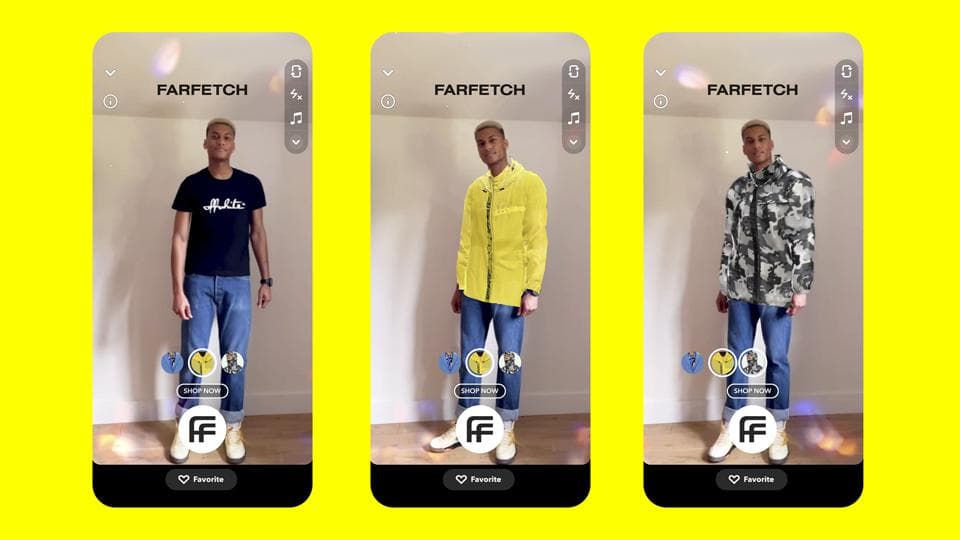
Try-on lenses on social apps are widely used, more as a way to reach people than as a shopping tool. Snapchat reports that 63 percent of its users think virtual try-ons make online purchase decisions easier. That figure measures willingness, and says nothing about whether the fit or colour shown was accurate.
Garment try-on, which is what most people picture when they hear fashion AR, isn't on that list. Fabric drapes differently on every body, and a phone camera can't measure shoulder width or arm length to the centimetre. Today's tools give a styling preview on an approximate body.
What changes in the next three years
This is our forecast, so each row is an estimate.
| Development | Confidence by 2029 | Why |
|---|---|---|
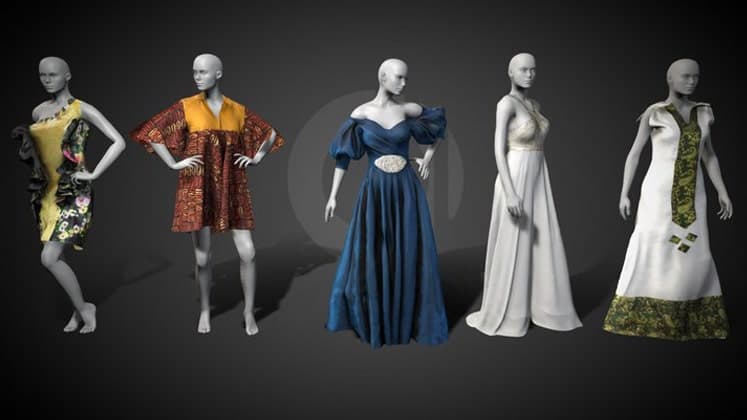
| 3D becomes the source asset for each product | High | Design teams already build garments digitally, and the e-commerce model can come from the same file |
| Body measurement from a phone scan improves | Medium | Depth sensors and pose estimation keep getting better, but clothing hides the body being measured |
| AI-generated on-model imagery replaces some photo shoots | High | Already under way, because it costs far less than a shoot |
| Size recommendation beats try-on for reducing returns | High | It uses purchase and return history, which is data you already hold |
| Headset-based shopping becomes a real channel | Low | Too few people own a headset |
| Try-on eliminates apparel size returns | Low | Phones still can't measure the body accurately enough |
The first row matters most. Garments will exist as accurate 3D files earlier in the process, and that will do more for fashion AR than any improvement to try-on. Browzwear, one of the main 3D apparel platforms, describes traditional sampling as adding four to six weeks to the apparel calendar and says digital sampling lets teams run the process without committing to fabrics, saving up to 80 percent of fabric waste. Brands are taking this up to save time and money, and the e-commerce asset comes out of the same file.
Where the budget comes from
The National Retail Federation and Appriss Retail put United States retail returns at 743 billion dollars in 2023, 14.5 percent of sales, with online purchases returned at 17.6 percent against 10.02 percent in store. The budget fashion AR competes for is mostly the one meant to bring returns down, and only partly the marketing budget.
What to do now
Plan around the 3D model, because that is the part that lasts. Try-on interfaces, AR buttons and whatever a headset needs in 2029 all use the same file. A brand that builds up good models over the next three years adds each new channel from the same files, where a try-on widget has to be bought again for each one.
Start with the rigid products in your range: eyewear, bags, watches, footwear seen from above, and any hard goods or home products you sell. AR already works for these.
Sort out the basics as well. A size chart in the shopper's units, fit notes drawn from your own returns data, and accurate measurements on every product page are likely to do more for your return rate next quarter than a try-on pilot.
Run any new feature as a test. Pick a set of products, record conversion and return rate for a month, add the feature, measure again, and keep a control group if your platform allows it.
Sweef's sofa configurator
We expect fashion to follow the path furniture took, rigid categories first and garments last, because we see the model-first approach work there, where fit is a question of room space. Sweef put a modular sofa into a configurator so shoppers can assemble a combination and see it at true size in their own room. Sweef built accurate models once and uses them in the viewer, in AR and for still renders across the site, with no separate AR project.
Sources
- National Retail Federation and Appriss Retail, 2023 Consumer Returns in the Retail Industry.
- Shopify, AR shopping: Warby Parker, Fittingbox and Snapchat figures.
- Browzwear, benefits of 3D clothing design software.