3D for e-commerce4 min read
How augmented reality product visualization gets built
The photos and measurements we need, the files we make, how the model gets onto a product page, the monthly price per product, and where projects stall.
By CharpstAR · 4 Oct 2023 · Updated 22 Sept 2026

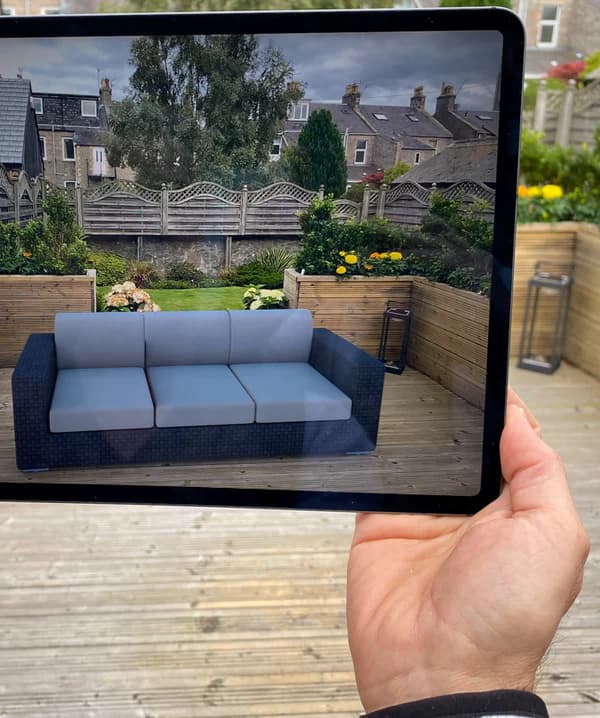
On a shop's product page, augmented reality product visualization comes down to two things. The shopper can turn the product around inside the page, and on a phone they can tap a button and see it standing in their own room at its real size. Most of the questions we get are about the work behind that: what we need from the shop, how long a model takes and what it costs per month. This article goes through the process in the order it happens.
What we need from the shop
For a typical piece of furniture or another hard good, we ask for:
- Photos from several angles, with the back and the underside if you have them. Phone photos are fine, and studio shots help.
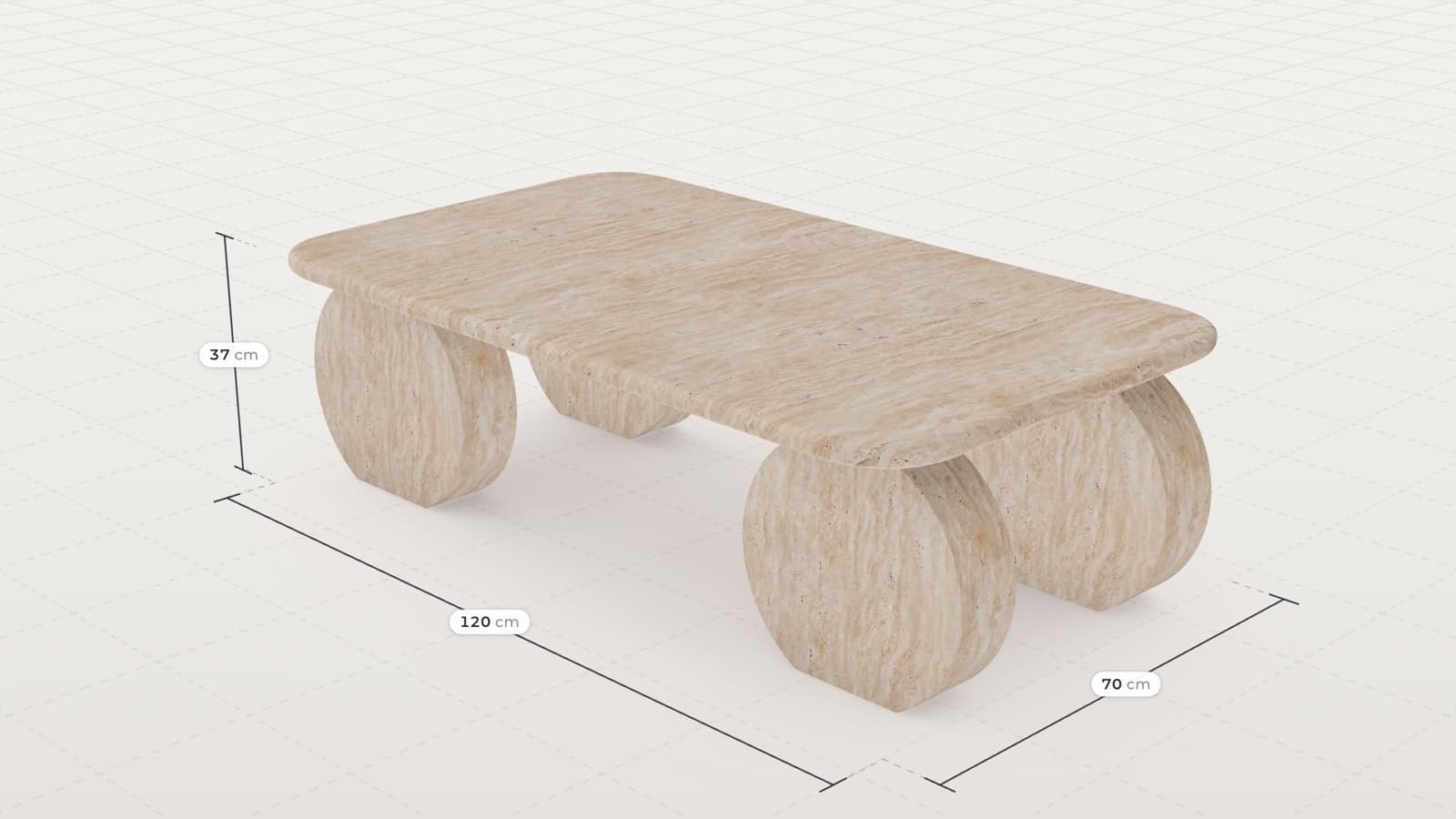
- Dimensions: width, depth and height, plus anything a customer would measure at home, such as seat height or how far a door opens.
- Material details. The fabric name and a close-up of the weave, the wood species and its finish, the metal colour.
- The variants. Which colours, fabrics and configurations exist, and which of them sell. For a modular sofa that means every module.
- Whatever else is lying around. CAD files, technical drawings and assembly instructions all cut the time down a lot.
When a first model is slow, it's usually because measurements are missing. A modeller can work out a shape from photos, but a seat height of 43 centimetres has to come from you.
The 3D model and its review rounds
A 3D artist builds the geometry from your references first. Materials take longer. Getting a fabric weave, the grain of oak or the sheen on powder-coated steel to look right under different light is the part that makes the model look like your product and not a generic one. We deliver a GLB for the web and a USDZ for Apple devices, each a few megabytes at most with textures included.
You then review it, mark what's wrong and we fix it. One or two rounds is normal. A first model usually takes about a working week from a complete brief to your approval. Later models are quicker because the materials are already in our library.
Getting the model onto the product page
We host the model on a CDN. A viewer, which is a small piece of code in your product template, loads it.
In the browser the shopper drags to rotate and pinches to zoom. On a phone, the AR button passes the same model to the phone's own AR: Scene Viewer on Android, Quick Look on iPhone and iPad. You can also render still images from the model for category pages, emails and ads, and the solutions page lists the rest of what we make from it.
On the common platforms, the integration is a snippet in the product template and a field on each product record that says which model goes with which SKU. Your developer can usually do it in an afternoon, and the implementation is included in the plan. If the site is built in an unusual way, we work out the integration together with your team.
Prices per product
We charge per product per month, and the current plans are on the prices page. We went with a subscription because catalogues keep changing. If a sofa gets a new fabric or a chair gets a redesigned leg, we update the model, and nobody has to find money for a new shoot. Hosting, CDN delivery and maintenance are in the monthly fee.
A stove shop as an example
Contura sells wood-burning stoves. Most people buy one once in their life and have no feel for how big it will look next to the sofa. With AR they can put the stove where it's going to stand, at its real size, before they order.
Where projects stall
A viewer below the fold gets missed. If shoppers have to scroll past the buy button to find the 3D view, most won't, so put it in the main image gallery, in the first or second slot.
With five products in 3D and five hundred without, shoppers stop looking for the button. Cover one whole category, usually the most expensive or the most configurable one, before spreading models across the catalogue.
Some shops launch without deciding what to measure. Before launch, pick what you'll watch, normally conversion rate and return rate on the modelled products against a similar set without models, and give it at least a month.
A free model to start with
Send one product through the free sample page and we'll build it into a live viewer at no cost, and you keep the model.
Sources
- CharpstAR, pricing.
- Shopify, merchant data on 3D and AR content, September 2020.
- Shopify, AR shopping: Rebecca Minkoff and Gunner Kennels results, and 3D ecommerce guide.