3D for e-commerce4 min read
3D product viewer vs 360 photos vs video: what each costs
3D models, 360 degree photography and product video compared: what each answers for the shopper, how each one's cost scales and when to use which.
By CharpstAR · 4 Oct 2023 · Updated 22 Sept 2026
Part of 3D models for e-commerce: the complete guide
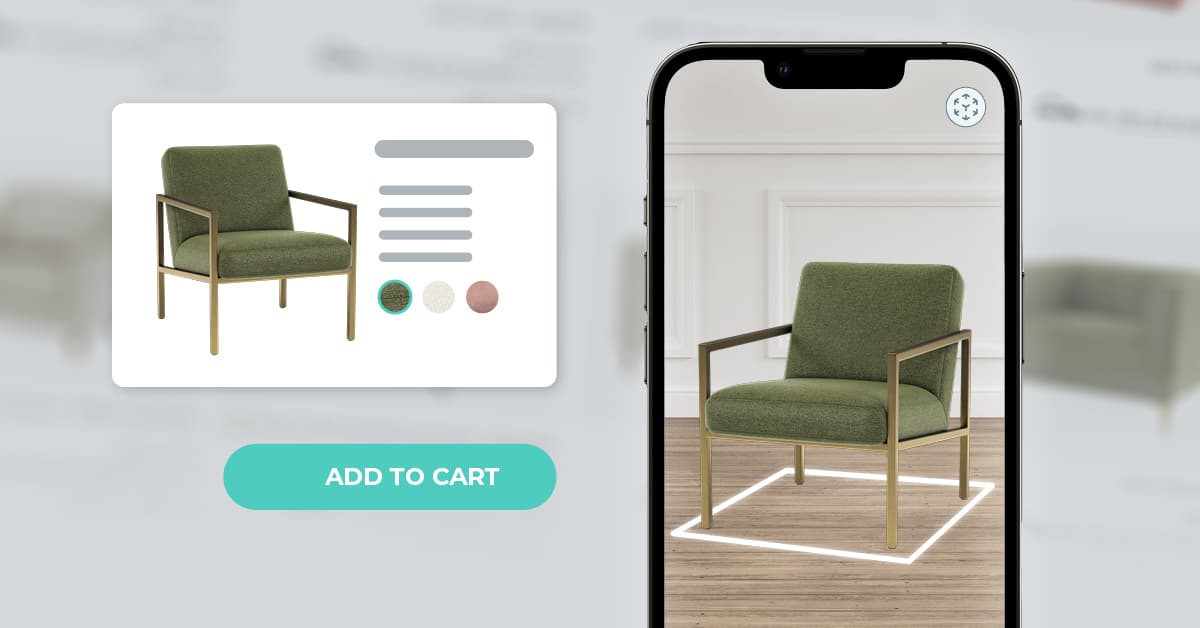
Beyond still images, a product page can carry a 3D model in a viewer, a 360 degree photographic spin or a video. The glossary has a short definition of a 3D product viewer if the term is new, and our 3D viewer page has live examples with prices.
What each format is
A 360 spin is a real photograph of the real product, taken on a turntable at fixed intervals, usually 24 or 36 frames, and played back as the shopper drags.
A video is a linear clip the shopper watches without controlling it, and it's the format for showing something that happens over time.
A 3D model is a geometric reconstruction of the product with materials applied, rendered live in the browser. The shopper controls the camera, and the same file can be placed in their room in AR.
What each one can answer
| Question the shopper has | 360 spin | Video | 3D model |
|---|---|---|---|
| What does the back look like | Yes | If the video shows it | Yes |
| What does it look like from above, or underneath | No, fixed axis | If filmed | Yes, any angle |
| How big is it | No | No | Yes, with dimension lines |
| Will it fit in my room | No | No | Yes, via AR at true scale |
| What does it look like in the other colour | Only with another shoot | Only with another shoot | Yes, switch materials |
| How does the mechanism work | No | Yes, video does this best | Partly, with animation |
| Is the fabric texture as it looks | Yes, it is a real photo | Yes | Close, but it is a render |
| What does it look like assembled with the other modules | No | If filmed that way | Yes, in a configurator |
In our projects the size row and the colour-variant row decide the choice. A spin or a video can't show size, and for both a new colour means another shoot.
How the cost of each format scales
A 360 spin requires the physical product in a studio, a turntable rig, consistent lighting, and retouching of every frame. Cost scales with the number of products and with the number of colourways, because each variant is another shoot, and a spin can't be shot until the product exists.
A video requires the physical product, a shoot and editing. Its cost scales the same way as a spin, and the product has to exist first.
A 3D model requires source material, which can be CAD, technical drawings, dimensions and photographs. The first model of a product family is the expensive one. Later products that share components cost much less because those components are already built. Colour and material variants cost very little once the model exists, since a new colour means changing a material on the model with no studio booking. The model can also be built from manufacturing files before the product physically exists, so if you need launch images before the first production sample arrives, a 3D model is the only option.
Where 3D falls short
Deep pile, loose weave, heavy grain, translucent and iridescent surfaces can only be approximated in a render.
Handmade, reclaimed and one-off pieces are a poor fit for 3D, because the model shows one clean version of a product whose point is that each piece differs.
Video is also the only one of the three that shows a product in operation, such as a folding mechanism, a recliner going back, a door opening or a garment moving.
How shoppers use a 3D viewer
On the pages we work on, most interactions with the viewer are rotation. Rotating needs no camera permission, the shopper stays on the page, and it works on desktop, where a lot of research for bigger purchases happens. AR placement is used by a smaller share of shoppers. Plan the viewer first. AR is used by phone shoppers with a size question, so it comes second.
The file has to stay small for either to work on a phone. Shopify's 3D commerce guide puts the ideal GLB at around four megabytes, and Shopify optimises files over fifteen megabytes automatically.

Ring configurator
A ring in the 3D viewer. Drag to turn it and tilt the stone, which a 360 spin on a fixed axis can't do.
Which format to use when
A 360 spin is enough for watches and other small products sold in one or two finishes. The ring above comes in four metals and ten stones, so it's shown as a 3D model. A product with a mechanism, such as a folding table or a recliner, needs a video. 3D pays off where size is part of the decision, where there are many variants, or where imagery is needed before the product exists, which covers furniture, appliances, lighting, stoves, outdoor products and anything configurable.
Contura sells wood-burning stoves, where buyers compare models and think about how the stove will look in their own room, so the stove models go into a Build Your Stove configurator and into AR at true scale.
Sources
- Shopify, 3D e-commerce guide.