3D for e-commerce4 min read
3D renders vs product photography: which costs less
Product photography vs 3D renders: where a shoot is still cheaper, the costs that don't appear on either invoice, and what we charge per product.
By CharpstAR · 25 Sept 2023 · Updated 9 Oct 2026
Part of 3D models for e-commerce: the complete guide

For a single product you will photograph once and never change, a shoot is quicker and costs less than a 3D model. Where the crossover lies depends on how many variants you have, how often the product changes and how many places the image needs to appear.
What you are comparing
A photo shoot gets you a set of finished images. A 3D model lets you keep producing images whenever you need them, and it covers a few jobs photography can't.
A shoot costs studio or location time, a photographer, a stylist for lifestyle images, retouching, and the logistics of getting physical product to the studio. That last item doesn't appear on the photographer's invoice and is often the largest cost, especially for furniture, where samples are built, crated, shipped and then written off.
A model costs the modelling itself, most of which is work on materials with less time spent on shape, plus hosting and delivery, plus a revision whenever the product changes.
Where a photo shoot costs less
If you need six photos of one item that won't change, book a shoot. If a person has to be in the frame, photograph it; rendering people still costs more and looks worse. A cluttered, lived-in kitchen with natural light and everyday mess is a specialist job, and rendering one convincingly costs more than shooting it. When the appeal of a product lies in natural variation, as with a hand-thrown ceramic or heavily figured stone, the model has to be very good to match a photograph.
Timing can settle it on its own. A first model from a complete brief takes about a working week, and a photographer can often shoot tomorrow.
Where a 3D model costs less
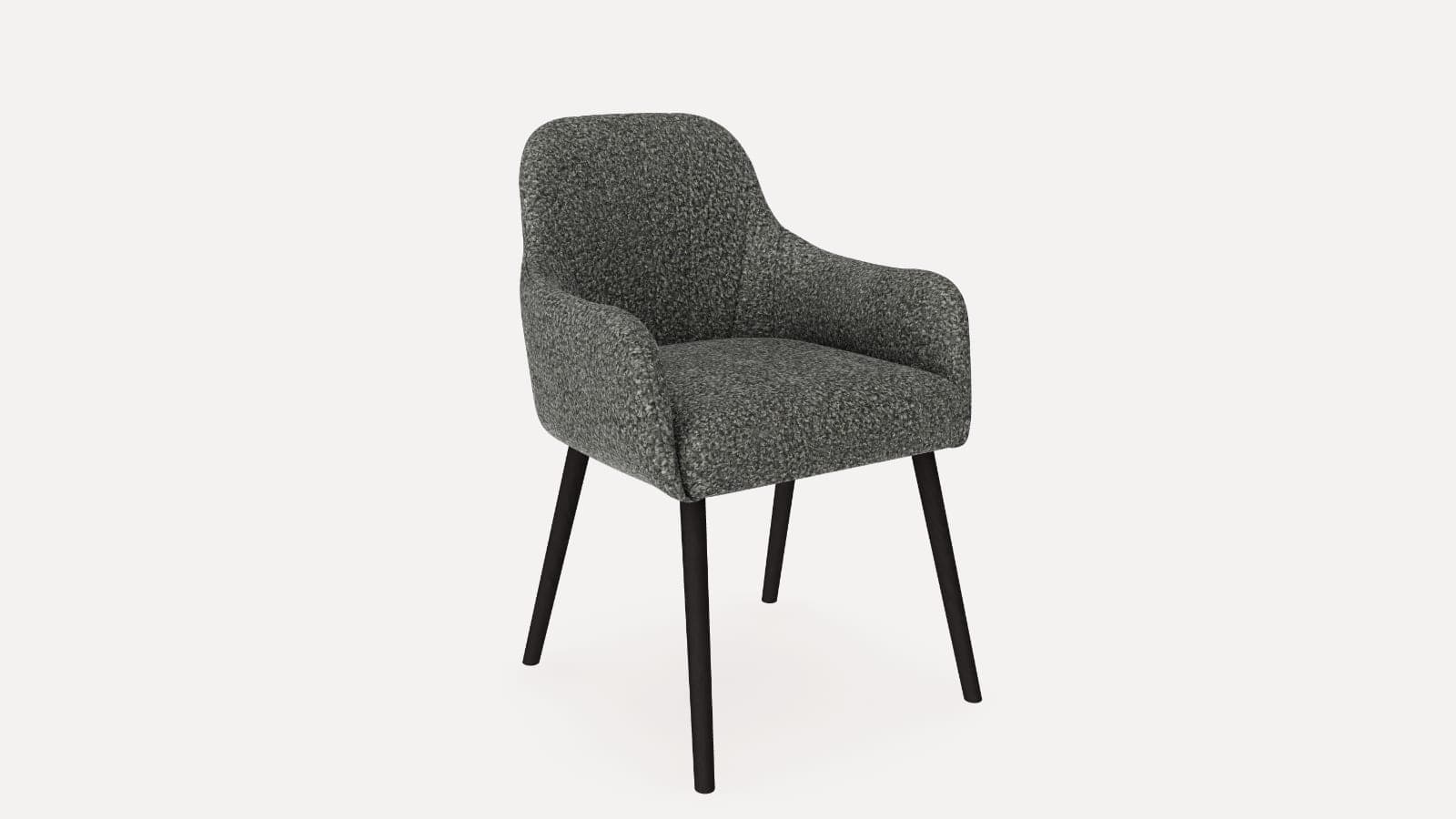
Variants decide most of these comparisons. A sofa in twelve fabrics means twelve shoots and twelve rounds of retouching. As a model it is one asset with twelve material swaps, and a thirteenth fabric next season costs very little. When a catalogue has many combinations, shooting every option is expensive enough that it usually doesn't happen, which is why so many product pages show one colour and a grid of swatches. MELIMELI runs both its configurator and its marketing images from the same sofa models, so adding a fabric means swapping a material on the model.
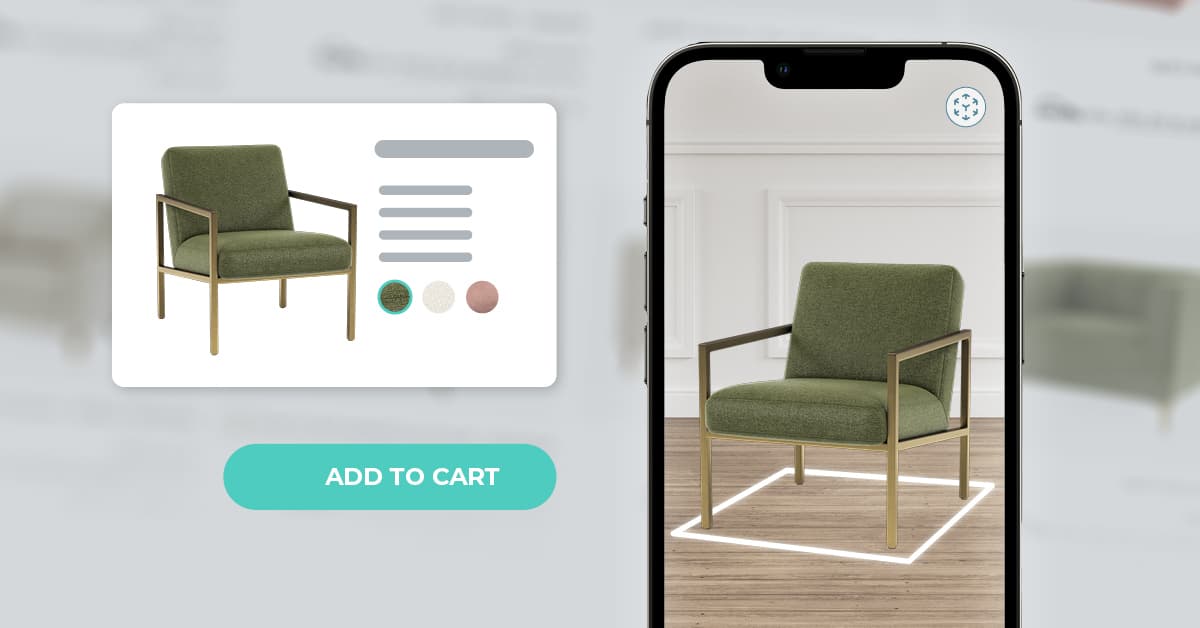
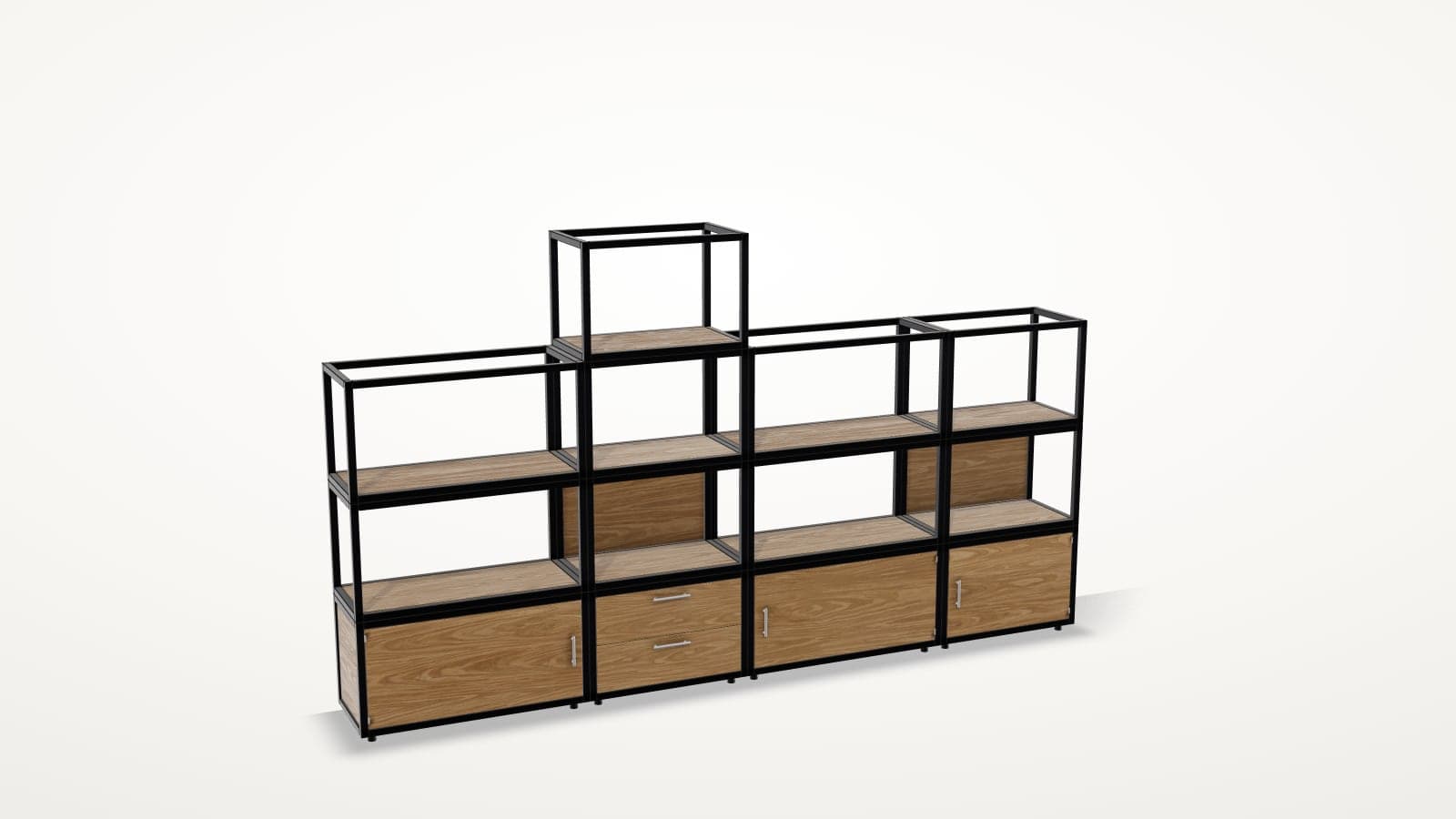
Products that change favour the model for the same reason. A new leg, a redesigned handle or a different finish means a reshoot with photography and a revision with a model. The same asset also produces product page images, an interactive viewer, phone AR, campaign renders, email images and print, and because a render has no resolution limit the web thumbnail and the trade-show banner come from the same file. It covers scenes you can't shoot, such as garden furniture for a February launch or a product that hasn't been manufactured yet. Every image is made with the same camera settings and lighting, and a model built to real dimensions can be placed in the shopper's own room from their phone.
Which option costs less, by situation
| Situation | Cheaper option |
|---|---|
| One product, one shoot, no variants, no changes | Photography |
| Human models or busy lifestyle scenes | Photography |
| Needed within days | Photography |
| Three or more colourways or materials | 3D |
| Product refreshed every season or two | 3D |
| Images needed for web, ads, email and print | 3D |
| Scene is impossible or out of season | 3D |
| Shopper needs to judge real size before buying | 3D |
The costs that don't appear on either invoice
With photography they are sample logistics, reshoots caused by a late product change, and variants that never get promoted because nobody photographed them.
With 3D, a weak model is used everywhere, so the mistake is repeated in every channel. A heavy file slows the page, and Google's Scene Viewer guidance is to stay under 10 megabytes. You also need one person who takes render requests, or marketing will keep booking shoots.
What we charge
We charge a monthly fee per product, so when a fabric is discontinued and the catalogue changes, nobody has to find budget for a reshoot. The current plans:
| Plan | Price | Includes |
|---|---|---|
| Basic | 10 dollars per product per month, 12-month term | 3D asset creation, web 3D and AR integration, CDN hosting, yearly updates |
| Value | 20 dollars per model per month, 24-month term | Everything in Basic plus custom dimensions, annotations, five rendered product images and a 360 render viewer |
| Enterprise | Custom | Volume pricing, custom integrations, dedicated support |
Every plan has a minimum of 100 products or variants. Hosting and delivery are included in the fee, so there is no separate infrastructure bill.
To compare, take one product with several variants and add up what it would cost to photograph all of them properly, including sample logistics and last year's reshoot. Set that against 240 dollars a year on the Value plan for a model that also gives you a viewer, AR and renders.
If you'd rather run that comparison on a real product, send us the one with the most variants and we'll build it in 3D at no charge, so you can set the result against what your last shoot of that item cost. The free sample page explains what to send.
Sources
- Google, Scene Viewer.