3D for e-commerce4 min read
Ecommerce returns, carbon emissions and the effect of 3D
The carbon cost of e-commerce returns for furniture and bulky goods, with sourced figures, and the cases where 3D cuts returns.
By CharpstAR · 4 Oct 2023 · Updated 22 Sept 2026
Part of Augmented reality for furniture retail: the complete guide

A returned three-seat sofa needs a two-person crew, a van, space in a warehouse and an inspection, and quite often it can't be sold as new afterwards. The environmental case for 3D product visualisation is about returns of that kind.
Returns in the United States in 2023
The National Retail Federation, with Appriss Retail, put United States returns at 743 billion dollars of merchandise in 2023, 14.5 percent of sales. Online the rate is higher: 17.6 percent, or about 247 billion dollars of online purchases sent back. For every billion dollars of sales, the average retailer takes back 145 million dollars in returns.
Turning those money figures into carbon figures is where the published claims run out of sources. What has a sourced basis is transport in general. The United States Environmental Protection Agency states that transportation is the largest source of direct greenhouse gas emissions in the country, and that over 94 percent of the fuel used for transportation is petroleum based. A return puts another vehicle on the road, sometimes two, after a delivery that has already happened. The size of that effect per parcel or per category has no figure we can cite. The tonnes-of-CO2 figures that circulate for e-commerce returns mostly trace back to one vendor study that is no longer online at its original address, so they aren't used here.
Why bulky goods matter most
| Factor | Small parcel | Bulky goods |
|---|---|---|
| Return transport | Carrier network, consolidated with other parcels | Dedicated collection, often a two-person crew |
| Vehicle fill | High, shared | Low, a sofa is mostly air |
| Packaging | Reusable mailer, often | Large single-use protection, frequently damaged on return |
| Resale as new | Usual | Often not, after handling |
| Reason for return | Size, colour, changed mind | Size, scale in room, colour, delivery access |
Per unit, a bulky return takes far more transport, labour and packaging than a parcel return. Of the return reasons in the table, size and scale in the room are the ones that can be checked before the order is placed.
Where 3D cuts returns
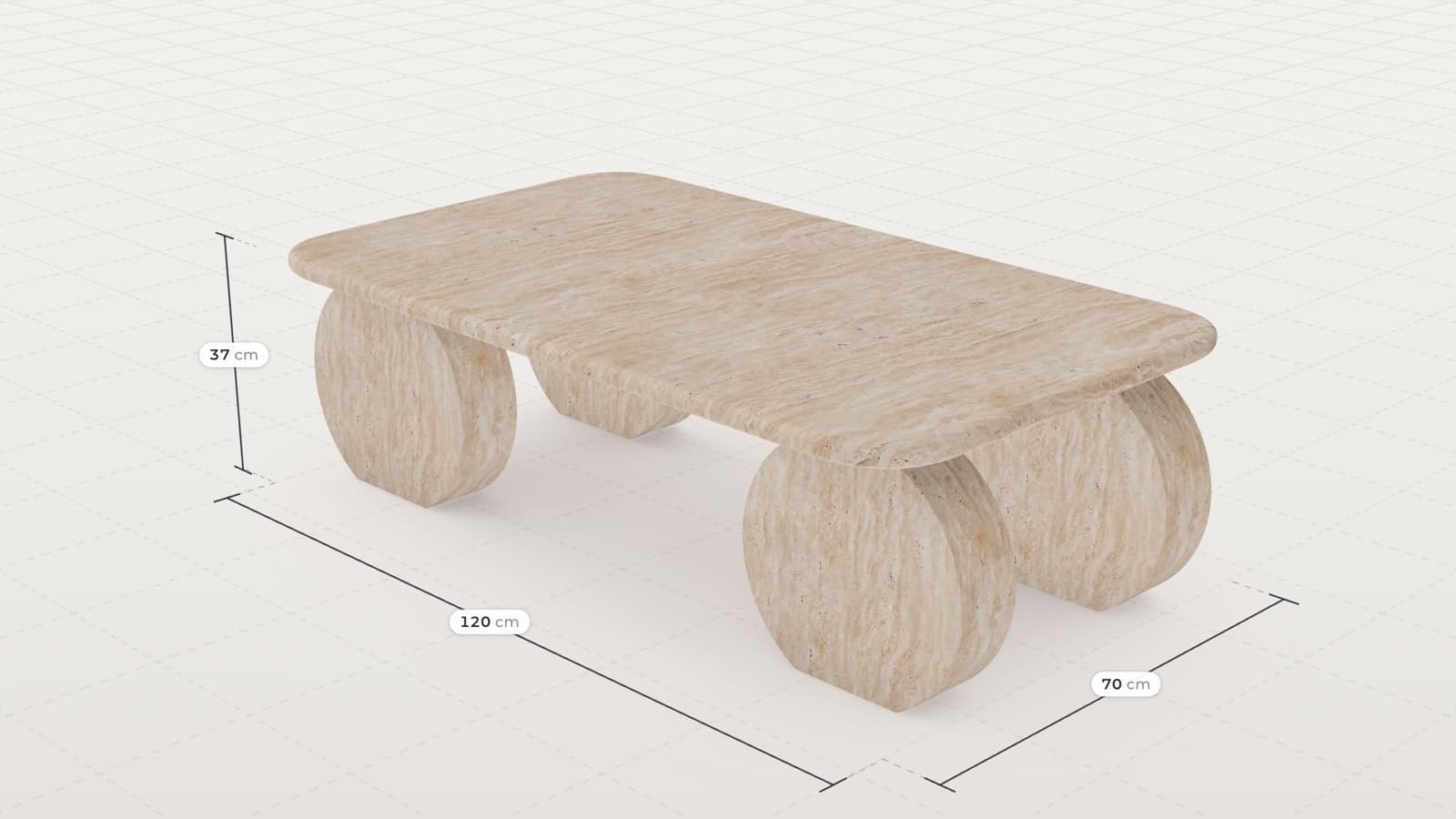
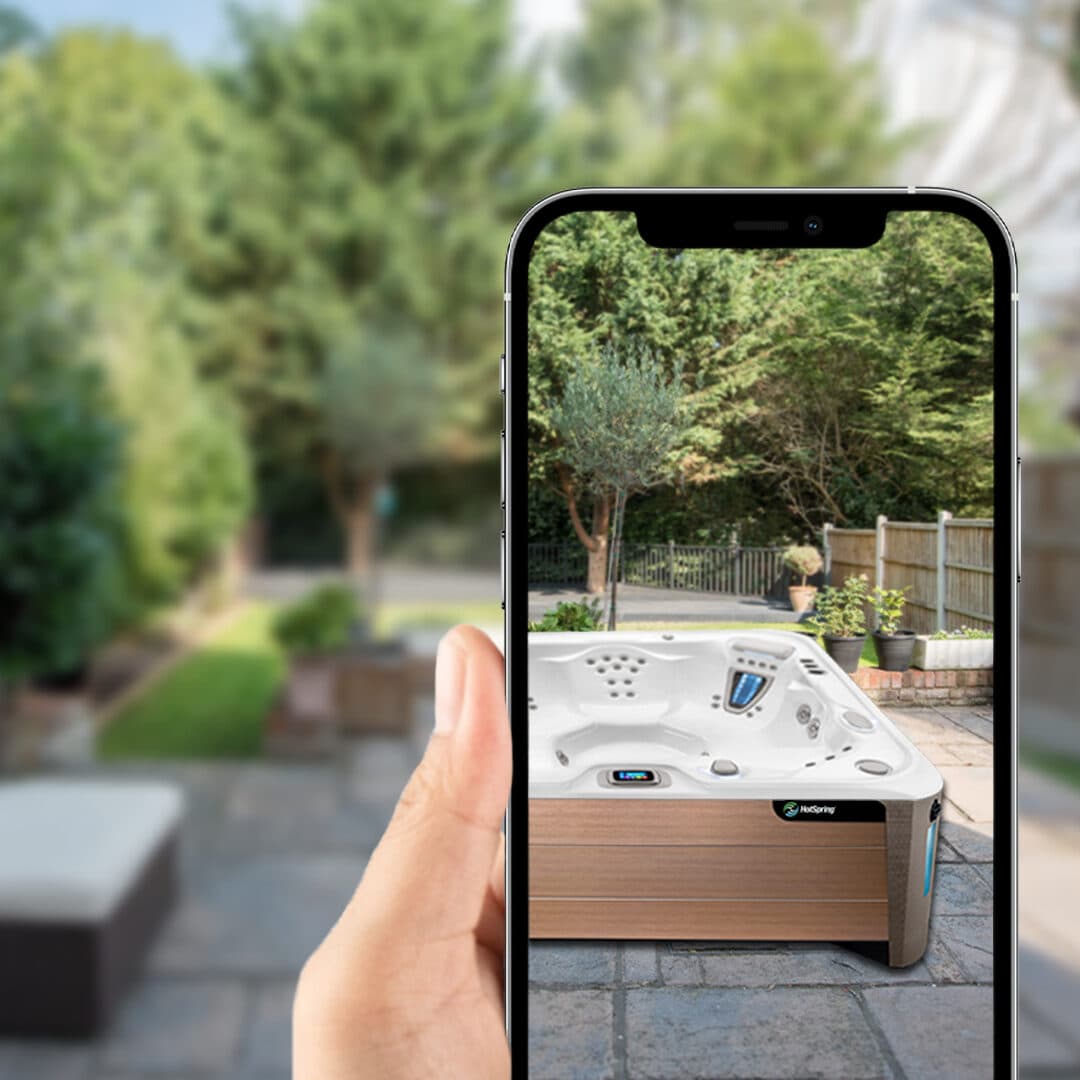
The clearest case is a sofa that didn't fit. Web AR places a model at true size in the customer's room, so the fit can be checked against the wall and the doorway before the order.
Contura built its stove configurator to make a range with many models, options and specifications easier to understand and configure, online and in store, in place of static product content. Afterwards Contura saw more engagement with stove specifications and downloads, and customers arriving at retailers with a clearer idea of which stove they wanted.
Photo shoots change too. Renders are made from a model that already exists, so samples aren't shipped to a studio and no physical sets are built. Next to returns it's a small saving.
If the model flatters the fabric, those orders come back too, so colour and material surprises are reduced only when the materials are built accurately.
What 3D does not change
The delivery is unchanged, and the sofa still arrives on a lorry. Returns caused by transit damage, late delivery or poor build quality are the other large groups, and visualisation does nothing for them.
A 3D viewer doesn't make a product sustainable either, and a brand that presents its viewer as an environmental credential needs a returns figure of its own to back it up.
There is no published, independently verified reduction figure to borrow. The effect on returns in your own catalogue has to be measured.
Measuring the effect on your own returns
Pick one category where most returns come down to size and scale. Record the return rate, and separately the mix of return reasons, for a full quarter before changing anything. Add 3D and AR to the product pages in that category only, and leave a similar category unchanged as a control. Run another full quarter. Compare the size-related return reasons on their own, since total returns move for many reasons that have nothing to do with the viewer.
Then convert the result to emissions with your own logistics data: average collection distance, vehicle type and the resale rate on returned units. Your carrier can supply the emissions factors.
The cost of the model
Our pricing starts at 10 dollars per product per month on a twelve-month Basic term with a minimum of 100 variants, and 20 dollars per model per month on a twenty-four-month Value term for higher-detail or configurable products. One avoided sofa collection, with the crew and a unit that comes back unsellable, is the figure to set that against.
Take the product that comes back most often for size reasons and send it to us; the first model is free.
Sources
- National Retail Federation and Appriss Retail, 2023 Consumer Returns in the Retail Industry.
- United States Environmental Protection Agency, Sources of Greenhouse Gas Emissions.