Furniture and home7 min read
3D for Home Decor Ecommerce: Which Products Need a Model
Which home decor products are worth a 3D model and which are fine with photos: a three-question test for rugs, lighting, mirrors and small decor.
By CharpstAR · 21 Mar 2023 · Updated 14 Oct 2026
Imagine a customer buying a rug for her living room.
The photo shows it under a coffee table in a bright, styled room, and she picks the 160 by 230 size because it looks right there. When it arrives, it stops short of the sofa legs and leaves a strip of floor she didn't expect. Rolling it up and booking a courier for the return takes her a whole evening.
Home decor is an awkward category for 3D. The products are often cheap, a shop can have thousands of them, and a good photo already does most of the work. A 20 euro vase rarely needs AR. Some decor products, though, come back again and again for reasons the photo causes, and those are worth modelling now. This article gives you a test for telling the two groups apart.
What Is 3D for Home Decor E-commerce?
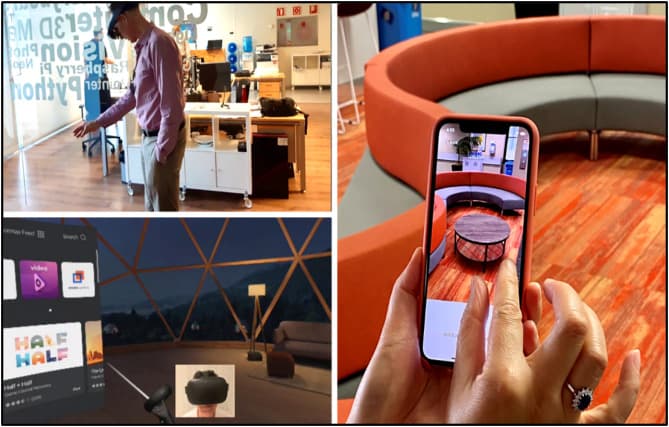
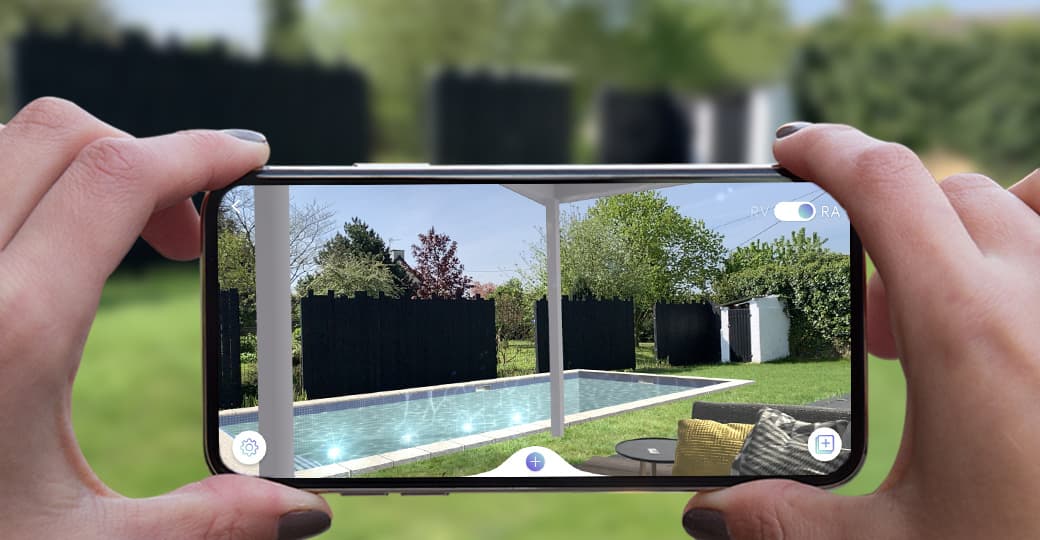
It means building a 3D model of a decor product and using it on your product page, in the customer's room through AR, and as the source for your product images. With CharpstAR, the customer can turn a lamp or a mirror on the page, read its measurements on the model, and place it at real size in their own room from the browser.
Lighting
Table lamp
Black metal.

A table lamp that passes the first question. It stands 50 cm high, and no photograph says so.
Which Decor Products Need a 3D Model?
Run each product line through three questions.
Does the Customer Misjudge the Size?
If yes, a model is worth paying for, because scale is what a 3D model shows and a photo can't. Rugs are the clearest example in the category: a rug photographed in a styled room looks as big as the room makes it look. Pendant lamps come next. Over a dining table, the difference between a 30 centimetre shade and a 50 centimetre shade decides whether the lamp looks right, and a photo does not show it.
Does the Material Sell the Product?
Ceramic glaze, mouth-blown glass, brushed brass and wool pile all look different as the light changes, and a photo freezes one lighting condition. A model the customer can turn shows how a glaze catches the light, which is often the reason they wanted the object.
Are There Many Variants?
Twelve colourways of the same cushion means twelve photo shoots, or one model with twelve materials. Here 3D pays through lower production costs.
If a product line gets a no on all three questions, a good photo is enough, and you can leave it out of the 3D project. Spend the budget on the lines that answered yes.
Where 3D Pays in Home Decor
| Decor category | Model worth it | Why |
|---|---|---|
| Rugs | Yes, strongly | Size is easy to misjudge and the return is bulky and expensive |
| Pendant and floor lighting | Yes | Scale relative to a table or ceiling height decides the purchase |
| Mirrors and wall art | Yes | Wall size is hard to judge and hanging is committing |
| Vases, candle holders, small ceramics | Usually no | Cheap, low return rate, photograph is sufficient |
| Cushions and throws | Only if many variants | Model pays on production cost rather than on conversion |
| Storage and shelving | Yes | Functional dimensions, fits or does not fit |
3D pays in decor wherever the object relates to the room itself. Floor, wall and ceiling products are bought on their measurements, and a model shows them.
Why Use 3D for Your Decor Range?
Lower Photography Costs
For a furniture brand the case for 3D is usually conversion and returns. For a decor brand it is often photography. A decor catalogue changes every season, and each new colourway needs product shots and at least one styled room image. That means a studio day, a stylist, a photographer and retouching for every variant. A 3D model is built once and can then be recoloured, relit and rendered in new settings for each variant. If the model replaces photo shoots you were already paying for, it can cover its cost even before any effect on sales.
New Products Live on Launch Day
A new colourway can have product images before the stock arrives, which helps with pre-orders and gets the product online on launch day instead of weeks later.
Fewer Returns on Bulky Items
When a rug or a floor lamp has been seen in the room at real size, its size is no surprise on delivery day. For bulky decor, every return avoided saves a costly shipment.
Lighting Shown With Its Light
A lamp is bought partly for the light it gives. Renders of the lamp lit in a room, made from the same model, show that light on the product page.
Use Case: A Lighting Range
The table lamp above shows how it works for a customer:
- Turn the lamp on the product page and zoom in on the shade and the base
- Read its height on the model
- On a phone, place it on their own side table at real size
- Compare it with the furniture around it, then add it to the cart
Two things have to be right for this to work. The scale must be exact, because scale is the reason the customer is using the model, and we check it before anything goes live. The materials must stand up to a close look, because decor customers zoom in. A glaze needs the slight unevenness of real glaze, wool pile needs depth so a rug doesn't look like printed vinyl, and metal needs the right sheen.
What the Published Evidence Shows
The published figures for 3D and AR content are not specific to decor, but they point the same way. Shopify reported in 2020 that products with 3D or AR content converted 94 percent more often than comparable products without. Its case material includes Rebecca Minkoff, where shoppers viewing a product as a 3D model were 44 percent more likely to add it to cart, and Gunner Kennels, which cut return rates by 5 percent. The NRF put the online return rate at 17.6 percent of sales in 2023, so even a small cut in the return rate is a real sum, and for bulky decor like rugs a large one.
Among our own clients, MELIMELI uses its 3D models to support image production as well as its 3D and AR product pages, which is the same saving a decor brand gets from rendering colourways.
How to Start With 3D for Decor
Step 1: Find Your Worst Return Rate
Look at return rates by decor category. Rugs and lighting are the likely candidates.
Step 2: Send Us a Product
Send us a product with its dimensions and a few close photos of the material, and we build the first model free of charge.
Step 3: Model Five Products in That Line
Leave the rest of the catalogue alone for now, so the test stays clean. The first product is the free one from step 2, and the rest of the line is then priced on our plans or quoted.
Step 4: Compare Over a Quarter
Put the models live with a snippet on the product pages and compare the return rate with the same period last year.
What to Measure on a Decor Range
| KPI | What to measure |
|---|---|
| Return rate | Whether fewer rugs, lamps and mirrors come back for size |
| Photography spend | How many seasonal shoots the renders replace |
| Time to launch | How many days earlier new colourways go online |
| Conversion rate | Whether modelled products sell to more visitors |
| AR use | How many customers place the product in their room |
How Much Does 3D for Home Decor Cost?
Decor ranges have many variants, so per-product pricing matters. On the Basic plan, a decor product costs from 10 dollars a month, with a minimum of 100 variants and a 12-month term, and that covers the model, AR, web integration, hosting, updates and implementation. Brands that want rendered product images and colour and texture configurators for their cushions or throws can choose the Value plan, from 20 dollars per model a month for at least 100 models over 24 months. We charge no setup fee, and the first model costs nothing.
Which Decor Brands Is 3D For?
A 3D project fits decor brands that:
- Sell rugs, pendant and floor lighting, mirrors or wall art
- Release new colourways every season
- See returns caused by size
- Sell products where glaze, glass or metal finish is the selling point
Model Your Five Most Returned Decor Products
Start with the line that comes back most often, and judge the result on your own returns. Send us a product to get the first model, read the solutions page for what the service covers, or book a demo to plan the test with us.
Sources
- Shopify, merchant data on 3D and AR content, September 2020.
- Shopify, AR shopping: Rebecca Minkoff and Gunner Kennels results.
- National Retail Federation and Appriss Retail, 2023 Consumer Returns in the Retail Industry.