3D for e-commerce4 min read
Is it too late to add 3D to your e-commerce shop?
Where 3D and AR adoption stands, what a year of waiting costs a shop that sells bulky goods, and the situations where waiting is the better decision.
By CharpstAR · 4 Oct 2023 · Updated 29 Sept 2026

It isn't too late to add 3D to a shop. What waiting costs depends on what you sell, and for some shops waiting is the better decision this year.
Where adoption stands
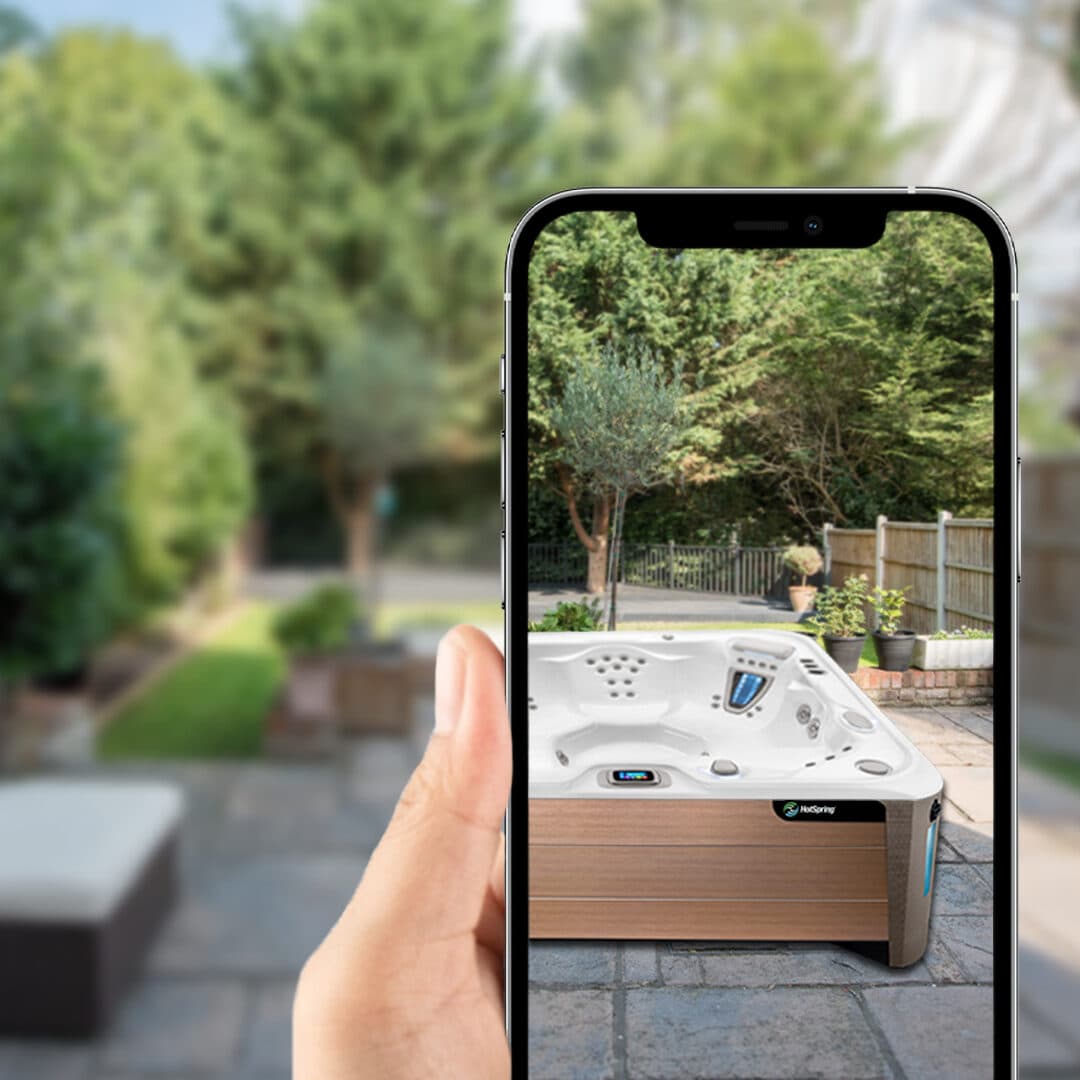
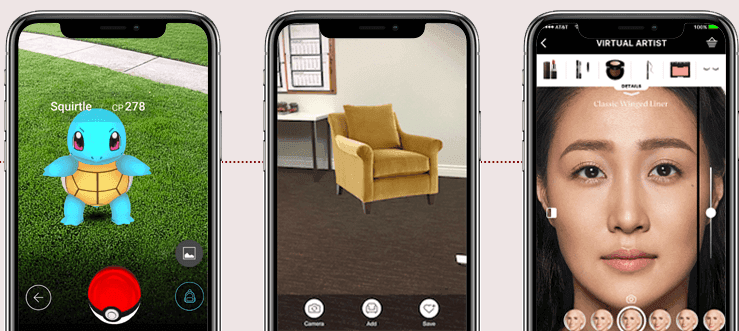
The platforms have supported it for years. Apple's AR Quick Look and Google's Scene Viewer are built into the phones, and Shopify has had 3D and AR as a product feature since 2018 and publishes merchant guidance on it.
Coverage among shops is uneven. The quickest way to see where your own category stands is to open your five biggest competitors' best-selling product pages on a phone and look for a 3D or AR button. In the home categories we work in, we usually find it on the largest retailers and on few of the mid-size ones.
What waiting costs
Oakywood reported average order value rising 458 percent in Germany, 232 percent in Switzerland and 84 percent in the UK after adding Shopify AR and 3D customisers. Figures like that come from merchants who chose their best products to model, so they show that the effect exists; your own result comes from measuring on your own traffic.
Returns are another cost. For bulky goods, a return costs the outbound freight, the inbound freight, the handling and often the resale value. 3D and AR reduce the share of those returns caused by the item not fitting the space.
The models themselves are a cost of a different kind. A model built this year gets used next year in ads, email, print, the configurator and the product page. MELIMELI, for example, uses one model per sofa for the 3D view, the fabric options and the AR placement. A year of delay costs that year's sales effect and a year of reuse.
Falling behind for good gets mentioned too. A competitor who modelled their catalogue in 2024 has two more years of practice than you. 3D models don't lock customers in or build up data that a latecomer can't get, and a shop that starts now can have a comparable product page within a quarter.
When waiting is the right decision
In some situations the right answer is "not yet".
Products that are small, cheap and easy to judge from a photo, such as cushions, cables, books and consumables, gain little from a 3D model. A product page with no delivery date, no stock status or unclear returns needs those fixed first; they cost less and matter more to the buyer than a 3D model does. Wrong dimension data has to be cleaned before AR goes on, because AR shows the product at real size and every error in the data becomes visible in the customer's room.
Models also need approving by someone who knows the product. Without that person the project stalls when it's nearly finished, and the models that do go live contain mistakes. A business that is short of cash can wait as well. 3D pays back over months and can be measured, but it isn't urgent until the business is stable.
| Situation | Start now | Wait |
|---|---|---|
| Large or bulky goods, fit is the blocking question | Yes | |
| Configurable or made-to-order ranges | Yes | |
| High return rate coded as "wrong size" | Yes | |
| Small accessories, low price point | Yes | |
| Product data unreliable | Yes, clean data first | |
| Page missing delivery, stock or returns info | Yes, fix those first | |
| No internal owner for model review | Yes, staff it first |
How to start with a pilot
If you're in the "start now" column, you don't have to commit the whole catalogue. A pilot is enough to begin with.
Pick ten to twenty products. Choose them by revenue, and favour large, expensive items that are hard to judge from photographs. Get them modelled. Put them on live product pages with the viewer in the main image gallery and dimension lines on. Track viewer loads, rotations and AR opens. Run it for a quarter, then compare conversion for sessions that used the viewer against sessions that didn't.
After that quarter you have your own number, which makes the next phase much easier to get approved, and you know whether 3D works in your category. The case for a pilot this quarter is strongest for shops selling products that have to fit a space.
We model one product free so a pilot can start with it; the request form is on the free sample page, and solutions and prices cover the rest.
Sources
- Apple, AR Quick Look.
- Google, Scene Viewer documentation.
- Shopify, 3D e-commerce.