3D for e-commerce3 min read
The future of 3D in e-commerce over the next three years
What a product page is likely to carry in three years, worked out from what phones and browsers already do, and which predictions will not happen.
By CharpstAR · 21 Mar 2023 · Updated 7 Oct 2026

What phones and browsers already do reliably is cheap to add to a product page, and the cheap things spread. Worked forward three years, that gives the list below of what a mainstream product page is likely to carry, and what it will leave out.
What phones and browsers already do
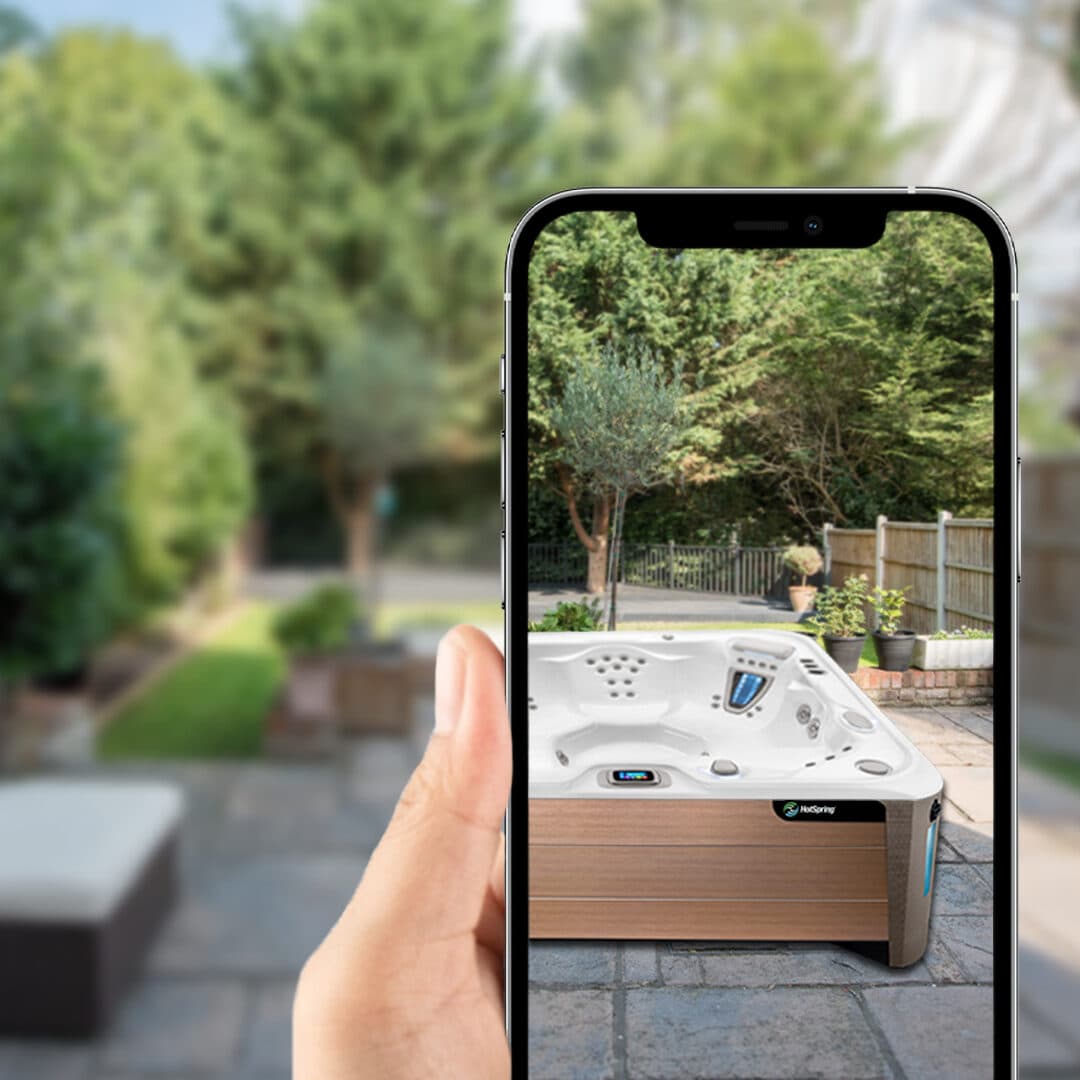
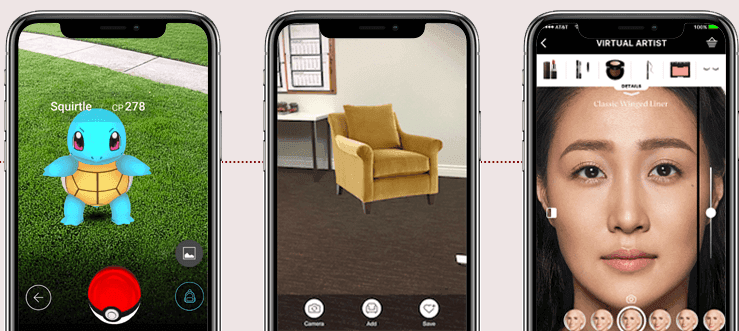
On Android, Scene Viewer puts a model into the camera view from an ordinary web link, and on iPhone and iPad AR Quick Look does the same from Safari. Neither needs an app. The retailer hosts a GLB and a USDZ and puts a button on the product page.
What becomes standard
A rotatable 3D model on the product page
This is already common in furniture, lighting, appliances and eyewear. It works in a desktop browser as well as on a phone, and shoppers already know how to drag a model round. We expect it to be the norm on considered purchases within three years.
An AR button next to the model
Only a minority of shoppers open it, but once the model exists it costs almost nothing to add. The engineering is a single attribute on a `
Real dimensions attached to the model
The spec table stays, and the measurements also appear on the object, where the shopper is already looking.
Configurators for products with variants
If a sofa comes in forty fabrics, a configurator costs less than photographing forty sofas, and the gap widens as catalogues grow. Sweef's modular sofa, with its combinations of modules, layouts and fabrics, is sold through one.
What does not become standard
Headset shopping
Too few people own a Vision Pro or a Galaxy XR for a headset storefront to be a channel. Until the installed base is at least ten times larger, a headset storefront reaches too few buyers to pay for itself.
Full-body avatars for garment fit
Fabric simulation on a body whose measurements the phone doesn't know hasn't been solved. It will keep improving, and for the next three years it stays a styling preview. Expect progress in accessories, where the object is rigid, before clothing.
The metaverse store
Walk-around 3D shops have been built and dropped several times. In the projects we've seen, shoppers find what they want faster in a product grid, and the grid costs less to run.
Scanning replacing modelling
Phone-based scanning is useful for rough geometry and for getting textures fast, at below studio quality. For a product page, where the model has to look like the thing you sell under controlled lighting, an artist still cleans the scan up, which is where scanning saves time.
What decides adoption
Scene Viewer and AR Quick Look settled the display side. What is left is the asset pipeline: a retailer with 3,000 SKUs is blocked on who makes 3,000 models, keeps them consistent, updates them when the product changes and hosts them at a size that loads on mobile.
That's why the commercial shape of this industry is moving from projects to subscriptions. The work is keeping a catalogue current, year after year, and a one-off project doesn't cover that. Our own pricing is a monthly fee per product for the same reason, from 10 dollars per product per month on a twelve-month term.
A reasonable timeline
The categories where scale and material matter, furniture, lighting, appliances, heating and eyewear, are where it is spreading now. Sports equipment, garden products and bathroom fittings are the likely next ones, and we'd expect a product page in all of those to carry a model within three years. Where size has no bearing on the decision, phone chargers for instance, it will still be patchy.
Sources
- Google, Scene Viewer developer documentation.
- Apple, AR Quick Look.