3D for e-commerce4 min read
Motorcycle e-commerce: what 3D and AR show buyers
How far a 3D model and AR help a motorcycle or scooter buyer judge seat height, real size and colour from a web page, and what they can't settle.
By CharpstAR · 21 Mar 2023 · Updated 30 Sept 2026
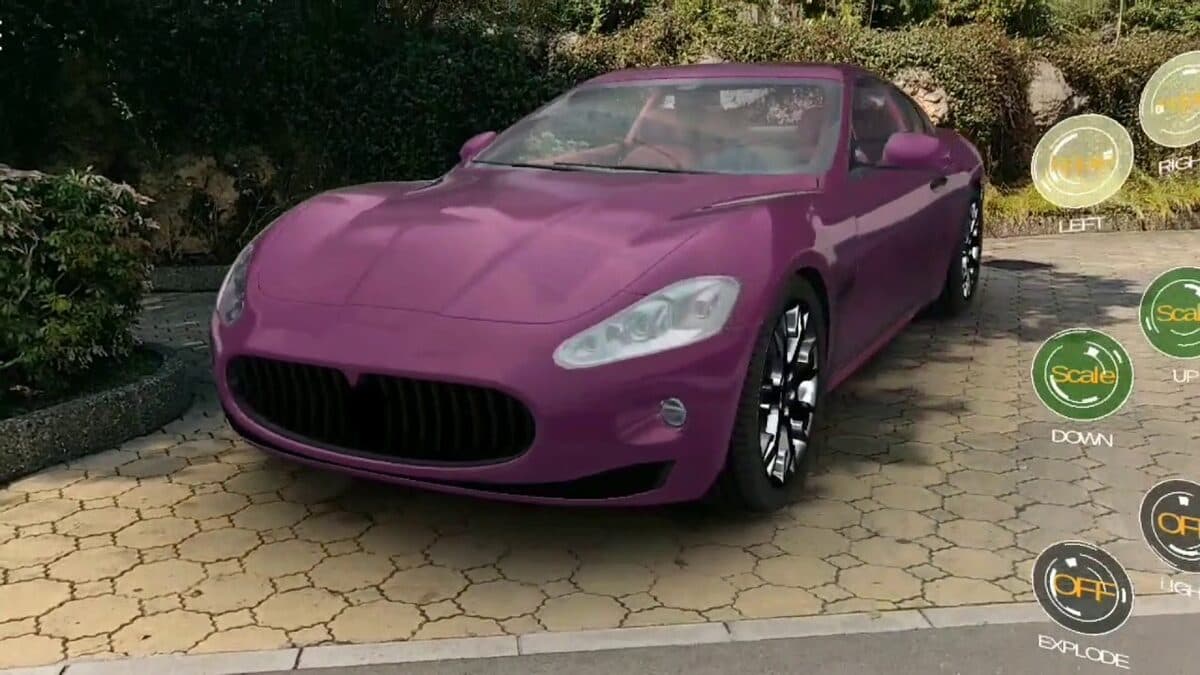
Scooters, e-scooters, e-mopeds and small-capacity motorcycles are now sold from a web page as a matter of routine, sometimes with delivery to the door. They cost less than cars, and many of the newer e-mobility brands started online and never had a dealer network.
Sitting on the machine in a showroom answered several questions at once, and no web page does the same. A 3D model and an AR button cover seat height, size and colour to different degrees.
What a 3D model shows about seat height
Seat height is one of the most common reasons a motorcycle buyer hesitates. It is published as one number in millimetres, and that number tells a buyer very little by itself. It is measured unladen, so the bike drops when someone sits on it, and how far depends on the suspension and the rider's weight. Seat width matters as much as height, because a wide seat pushes the legs apart and makes the seat feel higher. The shape of the bike between the rider's knees also changes where the feet can come down.
A 3D model helps with seat width and with the shape of the bike at the knees. Both are hard to see in a three-quarter marketing photo and easy to see in a model viewed from directly in front and from above. A scaled human figure of a stated height beside the bike gives the shopper something to compare with, instead of a number in millimetres.
The model can't tell a particular person whether both feet will be flat on the ground. That depends on their inseam, on how far the suspension sags under their weight, and on the boots they wear. Use the model to make the geometry easy to read, and keep unladen seat height, seat width at the narrowest point and any low seat option in text next to it.
What AR shows about the size of the machine
Size is the other thing a photograph hides. Photographs make scooters, e-mopeds and adventure bikes look smaller than they are.
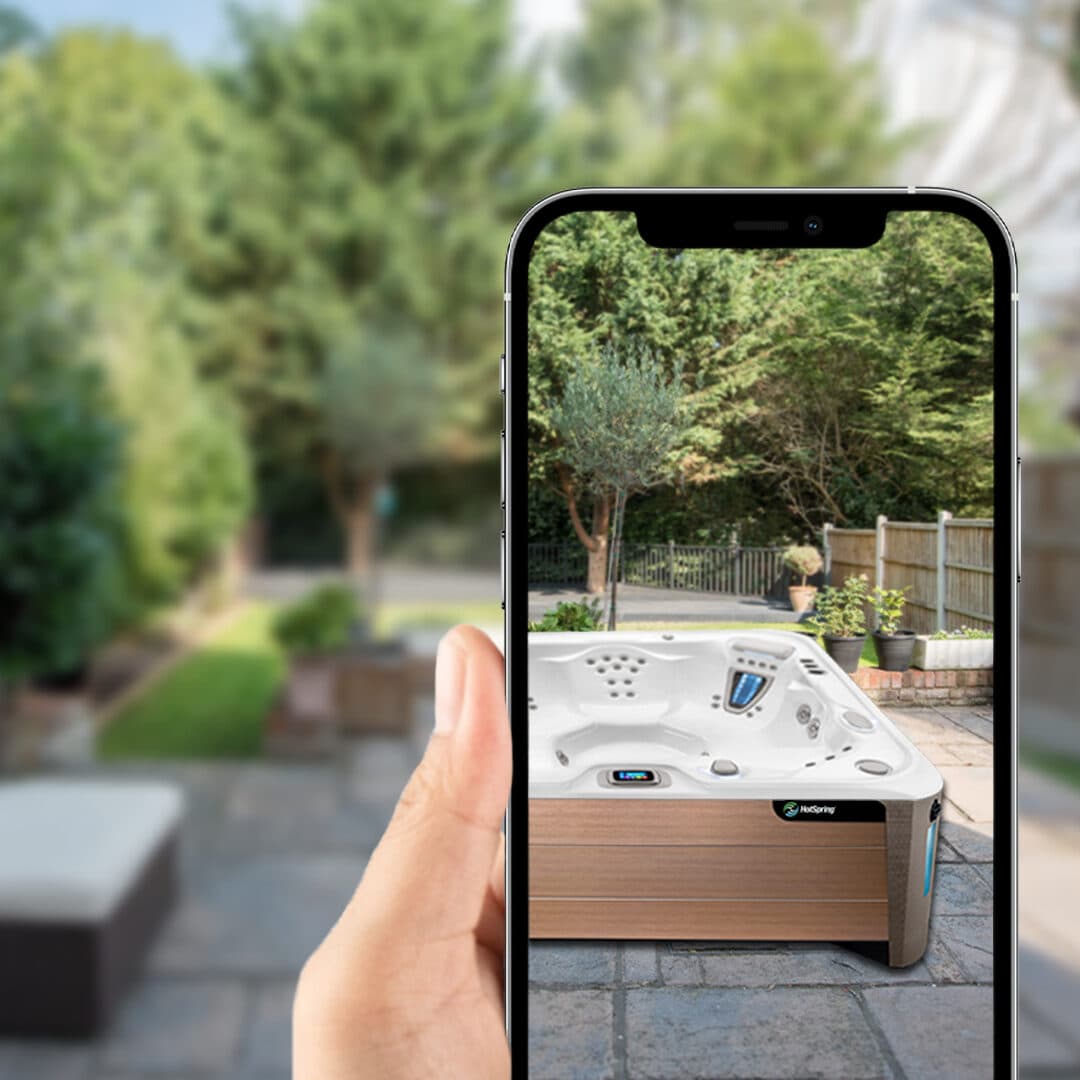
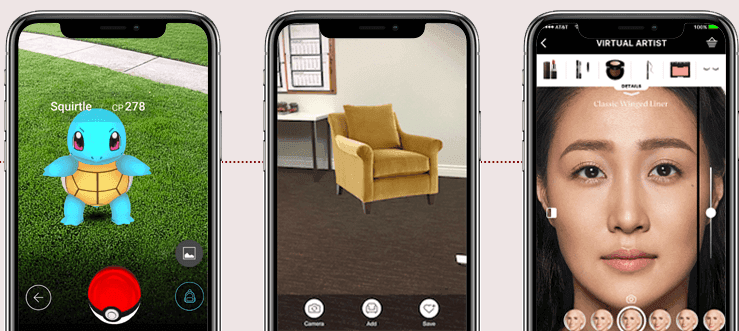
Placing the model at true scale in the buyer's own surroundings shows the size. On Android the product page opens the model in Scene Viewer, where one unit in the glTF file is one metre, so the model appears at real size; an iPhone opens the same model from the same link.
The main use of AR in this category is the parking space. A buyer can see whether the bike fits the bike bay, the hallway if it's kept indoors, or the gap behind the car in the garage.
What a 3D viewer can show about colour options
A motorcycle in several colourways means a photo shoot per colour, or one shoot and retouched versions that don't quite match. In a 3D viewer the shopper changes the colour and the angle and lighting stay the same, so the colourways can be compared like for like.
Metallic and candy paints are difficult to render, and a screen can't reproduce them accurately in any case, because the effect depends on the viewing angle and the light source. A viewer shows the design and how the finishes differ from each other; it won't match a metallic or candy paint exactly, and the page should say so.
The order to build things in
| Build | What it answers | Effort |
|---|---|---|
| 3D model with rotation and dimension lines | Proportions, seat width, overall size, what the back looks like | Base cost, one model per machine |
| Colour switching on the same model | Comparison of colourways under identical conditions | Small addition once the model exists |
| AR placement | Will it fit my parking space, garage, hallway | Nearly free once the model is web-ready |
| Scaled rider figure | Seat height against a figure of known height | Small addition |
| Accessory configurator | Top box, screen, crash bars, luggage shown on the bike | Bigger project; depends on accessory revenue |
The accessory row is where motorcycles resemble cargo bikes, which we've built a configurator for. The cargo-bike configurator we built for Livelo, shown on our solutions page, works because the product is a series of decisions, frame and colour first, then the box, the rain cover, the seats, the lighting and the battery size, each shown on the bike as it's chosen. A motorcycle with a luggage system, a taller screen and crash protection is the same kind of purchase. A configurator of this kind, on a different product, is on our configurator page.
What a 3D model does not fix
A 3D model can't tell a rider how the bike feels, which for many buyers decides the purchase, so test rides stay. Stock, delivery and registration still have to be spelled out, because people don't buy a vehicle from a site that is vague about paperwork, and a page with one photo, a spec table and nothing about servicing gains little from a model.
Where to start
We know of no published data on 3D or AR in motorcycle retail. The nearest is Shopify's 2020 merchant data, where products with 3D or AR content converted 94 percent more often, and that figure leans on the best-selling products merchants modelled first. Take the machine that gets the most emails asking how big it is, put a model with dimension lines and an AR button on its page, and compare that page's add-to-cart and return rates with the rest of the range over a season.
Sources
- Google, Scene Viewer documentation.
- Shopify, merchant data on 3D and AR content, September 2020.