Furniture and home5 min read
Augmented reality for plants and garden products: what it solves and how to do it
Plants are bought on size, light and how they look in a corner. What AR can do for a garden centre or plant shop online, what it cannot, and what to model first.
By CharpstAR · 4 Oct 2023 · Updated 22 Sept 2026
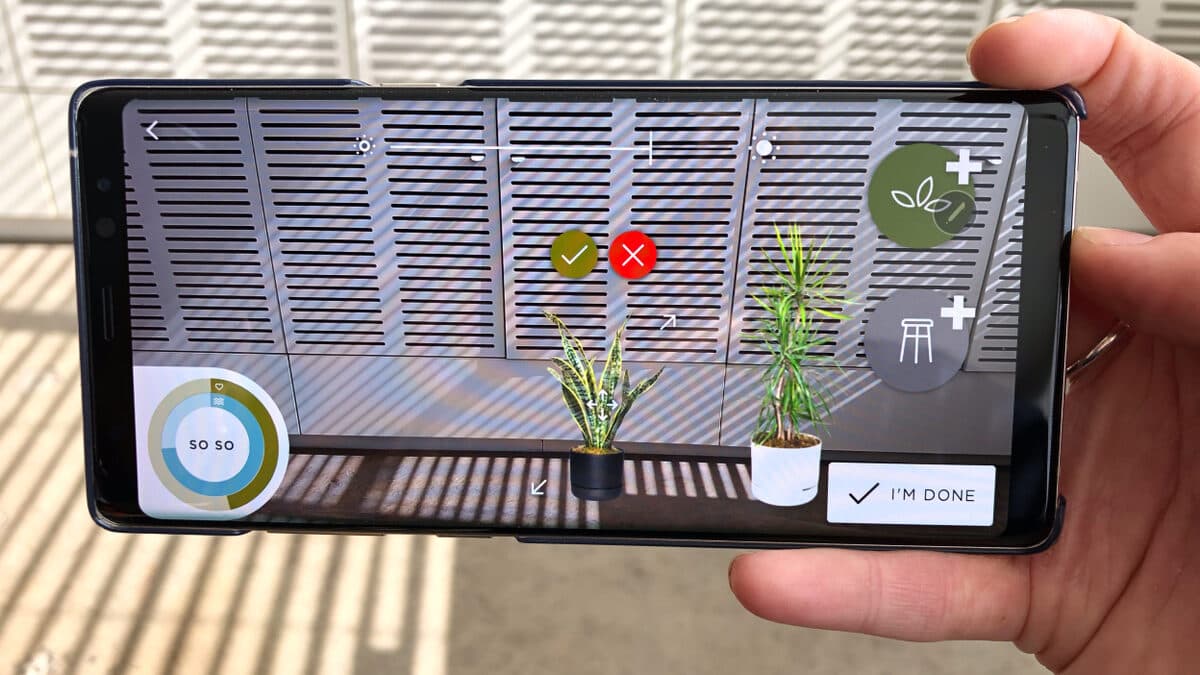
A plant is one of the hardest things to sell online. Its size is described as "large" or "60 to 80 cm", its pot is photographed on a white background, and the question the buyer actually has, how will it look in that corner by the window, gets no answer at all. Garden furniture, planters and outdoor lighting have the same problem with a bigger price tag. Augmented reality answers exactly that question, which is why the large home retailers built it years ago. This article says what AR does for plants and garden products, what it cannot do, and how a smaller plant shop or garden centre can get it without an app.
What the big retailers did
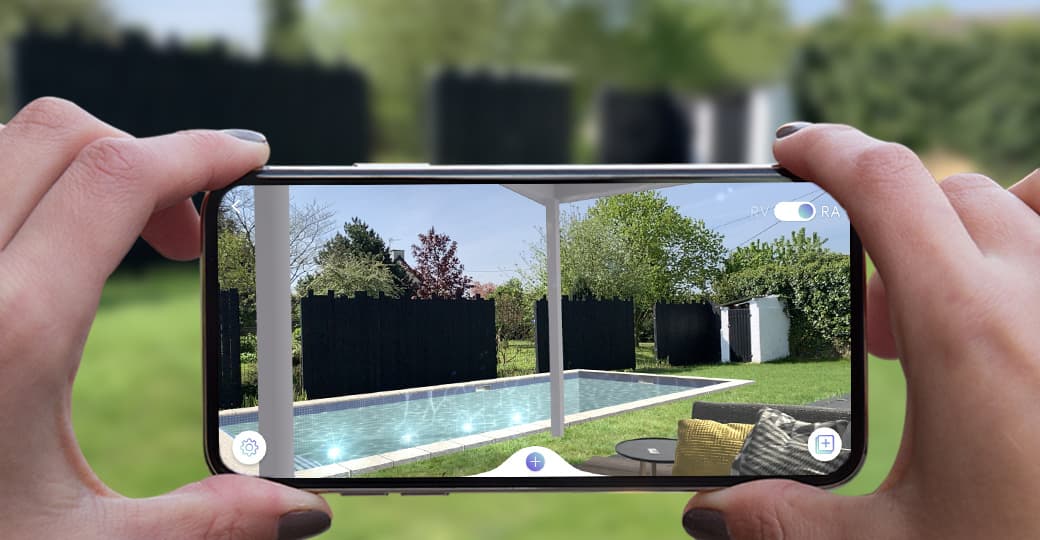
Lowe's added a "View in Your Space" feature to its app for the spring collection, placing size-accurate items from the outdoor range into the shopper's garden through the phone camera, so that "it will not only fit, but also match its surroundings". IKEA Place, in 2017, launched with 2,000 pieces of furniture that could be stood in a room at true scale, and that app became the reference for the whole category. Pinterest's Try On for Home Decor in 2022 did the same from Pins, across more than 80,000 products from Crate & Barrel, West Elm, Wayfair and others, and Pinterest reported Pinners were five times more likely to buy from those Pins.
The pattern is the same each time: a real-size model, placed by the shopper, in their own space. For plants and gardens that is the whole purchase decision.
What AR solves for plants and garden products
Scale. A 1.6 metre fiddle-leaf fig is a very different purchase from a 60 cm one, and the photo is the same. Placed in the room at true size, the shopper sees which one the corner takes.
Position and light. Stand the plant where it would live and the buyer sees it against their wall, next to their sofa, in the light of that window. That is the "does it suit the room" question, and it is the one that stops people buying plants online.
Planters and pots. A pot is rigid, comes in fixed sizes and is bought to match a room. AR is close to perfect for it: real size, real finish, in place.
Garden furniture and outdoor lighting. A dining set for six on a terrace that may or may not take it. This is the furniture problem outdoors, and it has the furniture numbers behind it: about 58 percent of furniture returns are size and space mismatches, and online furniture returns run around 22.7 percent.
Grouping. Place three plants and a bench together and see the arrangement before ordering any of it. The summer garden of the old headline is real, it just happens in the buyer's own garden rather than in a game.
What AR cannot do for plants
Be straight about this, because plants are living things. A model shows one plant at one moment; the real one arrives a different height, with a leaf missing, and grows. A model cannot promise the shade of green, and it cannot tell the buyer whether the corner gets enough light for the plant to survive. Use AR for size, position and pairing with pots and furniture, and keep the care information, the light requirements and a real photo of a typical specimen on the page. The two together answer the buyer's question; either alone does not.
How a smaller shop gets it
The retailers above built apps. That is no longer necessary. A 3D model can be opened in AR from a normal web link on iPhone and Android, so the AR button sits on your product page and the shopper taps it. No app, no download, no account.
What you need is the models. For a plant range the sensible approach is by type rather than by SKU: one good model of a monstera at three sizes covers the product, and the pot is a separate model swapped underneath. For pots, planters, benches and lighting, model the products directly; they are rigid and repeat, and one model serves every colour.
| Product | Model | AR question it answers |
|---|---|---|
| Large indoor plants | One per species, three sizes | Which size fits the corner |
| Pots and planters | One per shape, textures per colour | Does it match the room, is it the right diameter |
| Garden furniture | One per product, fabric variants | Will the set fit the terrace |
| Outdoor lighting | One per product | Height and spread in the garden |
| Raised beds, sheds, pergolas | One per size | Will it fit the plot |
What it costs
A hand-built model of a pot or a bench is a few days of a 3D artist. A convincing plant is harder, because foliage has to be modelled to look right at every angle without becoming a heavy file; budget a working week for a species. On our pricing it is a fixed monthly fee per product covering the model, the viewer, the AR and updates; the prices page has the figures. The point of a subscription is that when the range changes, the models change.
Where to start
Pick the product with the biggest size question and the biggest price: usually the large indoor plants, the garden dining set, or the big planters. Model that, put the AR button next to the price on the phone view, and measure conversion and returns on it for a month against the same product last year. If the numbers move, extend by type.
We will build the first one for free, whether it is a plant, a pot or a bench, so you can stand it in your own garden before deciding anything. Send us one product.
Sources
- Lowe's Corporate, Virtually view Lowe's spring collection in your backyard.
- TechCrunch, IKEA Place, the retailer's first ARKit app, September 2017.
- Pinterest Newsroom, Pinterest introduces AR Try On for Home Decor, January 2022.
- Eightx, Furniture and home return rate benchmarks 2025.
- Apple Developer, AR Quick Look.